Essential Camping Safety Tips for Family Adventures: How to Stay Safe and Prepared in the Shenandoah Valley
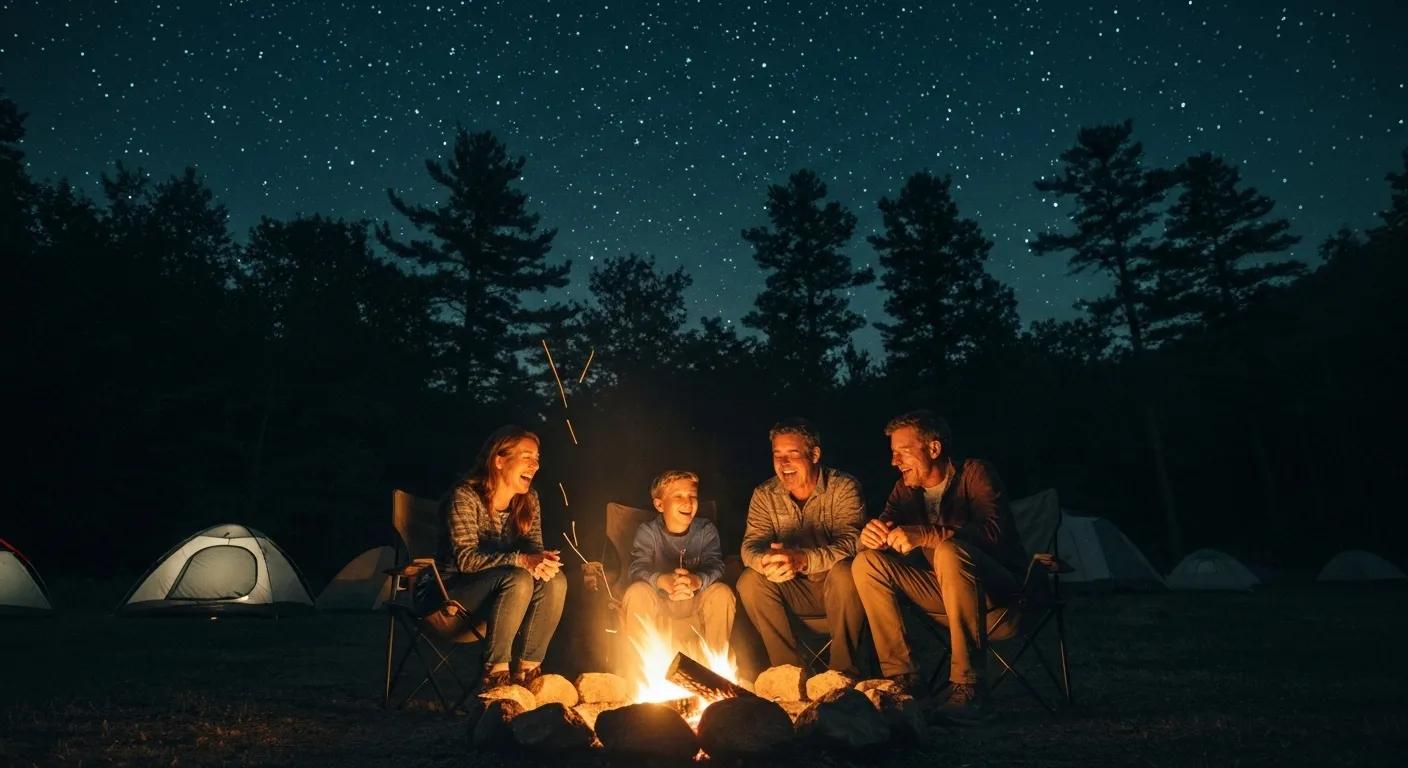
Imagine your family gathered beneath a canopy of stars in the Shenandoah Valley: laughter by the campfire, crisp mountain air, and the promise of adventure. We believe every family deserves to experience the magic of the outdoors with complete peace of mind. That’s why, in this guide, we’re sharing essential camping safety tips to help your family stay prepared, minimize worries, and maximize fun on your next trip. We’ll tackle unique challenges—from unexpected wildlife encounters and sneaky poison ivy to smart campsite setup, weather surprises, and confident trail navigation—so you can focus on making cherished memories, not managing mishaps. You’ll learn how to choose the perfect safe spot, pack your essential first aid kit, handle bears and ticks like a pro, prevent campfire burns, and respond calmly to storms. And along the way, discover how our family-friendly camping amenities at Campsvc.com enhance comfort and security, whether you’re in a cozy tent site, an RV spot, or one of our charming cabins.
Why Is Safety So Important for Your Family's Camping Adventure?
For us, safety in family camping means protecting everyone from preventable hazards while fully embracing nature’s breathtaking beauty. It’s about creating a foundation of freedom from worry, allowing for confident exploration and stress-free bonding. For example, knowing how to set up your campsite far from potential flood zones isn't just a rule; it's the key to ensuring restful, worry-free nights under the stars.
What Are the Unique Safety Considerations for Families Camping?
Children’s boundless curiosity and varying ages mean different supervision needs, and as parents, you’re often juggling multiple factors at once.
- Your young explorers might wander off, captivated by a bird or a deer track.
- Toddlers can easily trip over a tent line or get a little too close to the campfire’s warmth.
- Teens, full of confidence, might underestimate a sudden weather change or a trail’s difficulty.
These dynamics call for thoughtful planning and clear communication, ensuring every family member feels engaged and protected as nature’s elements shift around them.
How Does the Shenandoah Valley Environment Impact Camping Safety?
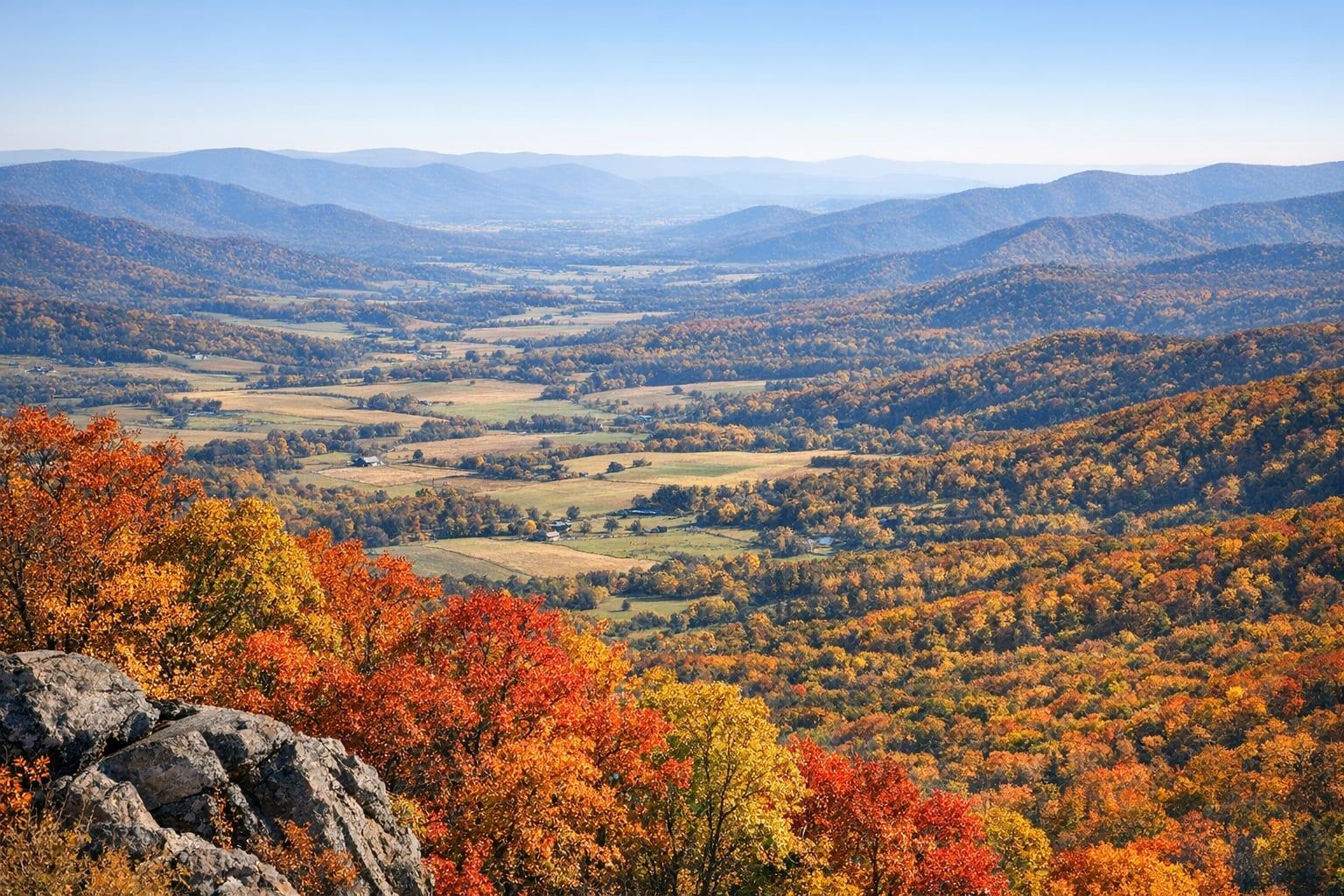
While the Valley’s lush forests, rolling hills, and winding rivers offer unparalleled beauty, they also introduce specific considerations every camper should be aware of.
- Rapid afternoon thunderstorms can quickly trigger flash floods in low-lying campsites.
- Local trails are home to ticks carrying Lyme disease and sometimes even venomous snakes hidden under leaf litter.
- Black bears often forage along service roads, drawn by tempting cooking scents.
Understanding these natural patterns helps guide your safe campsite placement, food storage practices, and daily activity planning, keeping your family secure and happy.
How Do You Plan a Safe Family Camping Trip in the Shenandoah Valley?
Ready to plan your Shenandoah Valley escape? It’s all about smart choices, thoughtful packing, and knowing you have a helping hand nearby. Your campsite selection, gear preparation, and our on-site services work together seamlessly to create a comprehensive safety net that supports both first-time adventurers and seasoned campers alike.
What Are the Best Practices for Campsite Selection and Setup?
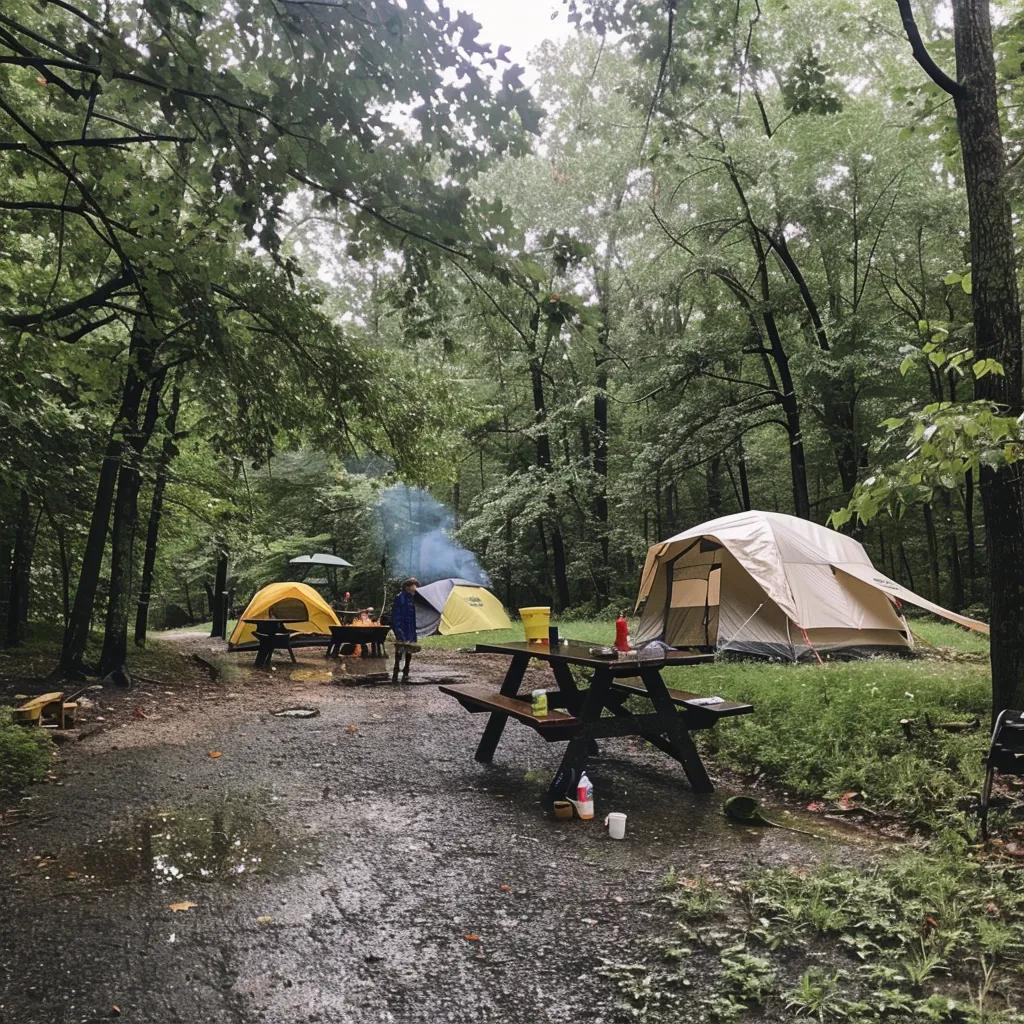
Choosing your perfect spot is the first step to a worry-free stay. Prioritize flat, well-drained ground at least 200 feet from water sources to avoid flooding and common wildlife paths.
- Always inspect the area for any dead branches overhead or uneven ground underfoot.
- Position your tents on durable surfaces and make sure to stake rain flies securely to prevent water pooling.
- Establish a cooking area downwind and at least 50 feet from your sleeping zones.
A safe setup not only prevents injuries and protects your gear but also helps deter curious wildlife by keeping cooking odors contained.
Campsite Selection and Wildlife Safety
Choosing a campsite away from water sources and wildlife paths is crucial for preventing hazards like flash floods and animal encounters. Proper campsite selection and setup are essential for a safe and enjoyable camping experience, minimizing risks and promoting a secure environment for families.
National Park Service, "Camping Safety" (2024)
This supports the article's emphasis on the importance of campsite selection for safety.
How Should You Prepare Essential Safety Gear and Packing Lists?
Think of your safety gear as your family's superhero toolkit! A well-stocked first aid kit equips you to handle minor injuries and emergencies until professional help arrives.
- Pack antiseptic wipes, bandages, and blister pads for those inevitable cuts and scrapes.
- Don't forget tweezers, tick removal tools, and EPA-approved insect repellent to prevent pesky vector-borne illnesses.
- An emergency blanket, whistle, headlamp, and waterproof matches are crucial for unexpected delays or changes.
With these supplies organized in labeled compartments, you can quickly address any bumps, scrapes, or sudden weather changes without a moment of panic.
What Family-Friendly Amenities Enhance Camping Safety?
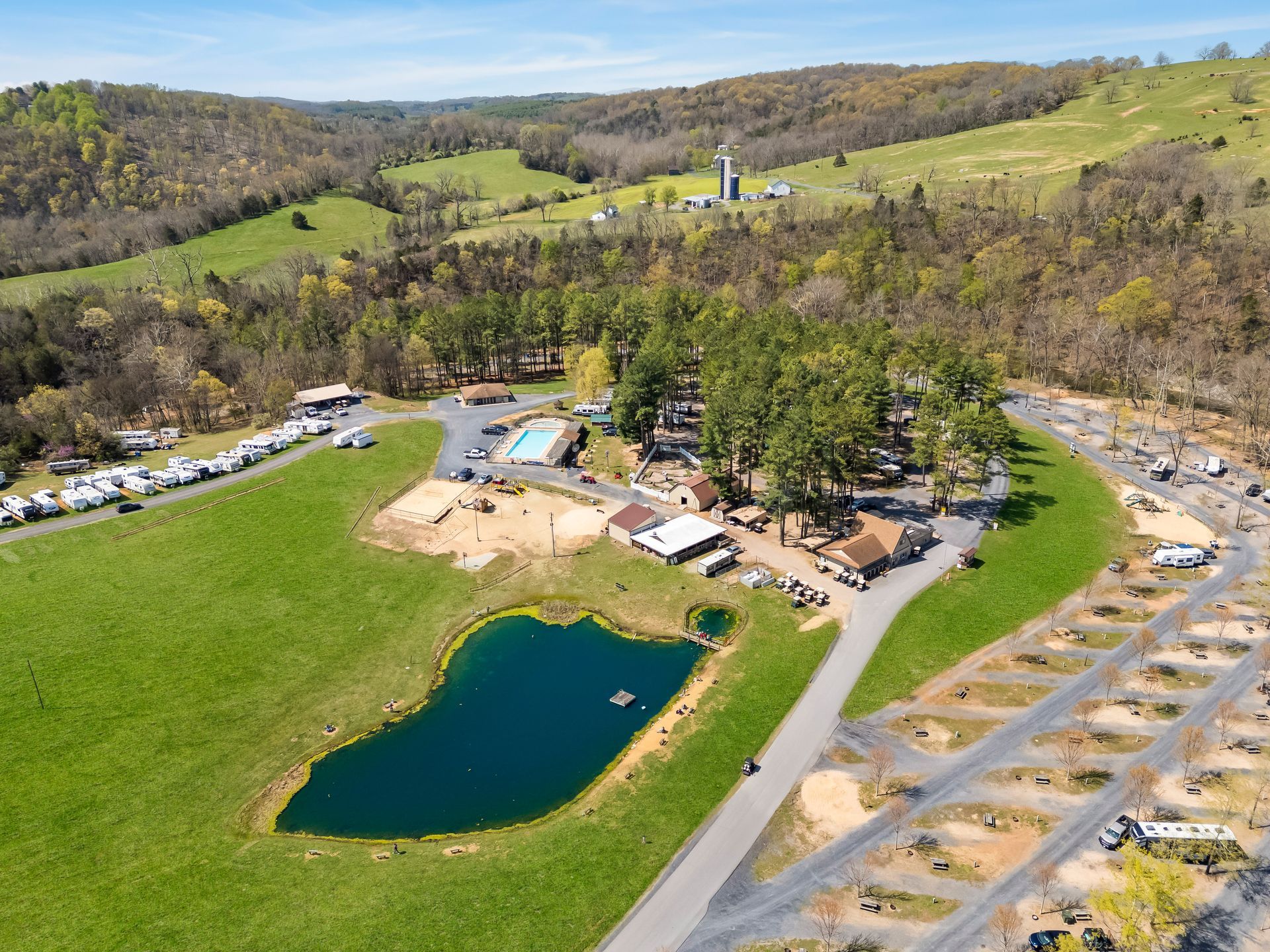
At Campsvc.com, we believe true relaxation comes from knowing you're safe and sound. Our family-oriented campgrounds offer thoughtful amenities like fenced playgrounds, bear-proof lockers, and 24-hour ranger patrols to bolster your peace of mind.
- Clean restroom facilities with running water reduce infection risks, keeping everyone healthy.
- Designated fire rings and shared picnic shelters centralize activity, making supervision easier.
- Emergency call stations and well-lit paths ensure rapid assistance is always just a moment away, day or night.
These amenities support proactive safety measures, encouraging parents to truly relax while children explore and play under watchful eyes.
What Are the Key Wildlife Safety Tips for Families Camping in Shenandoah Valley?
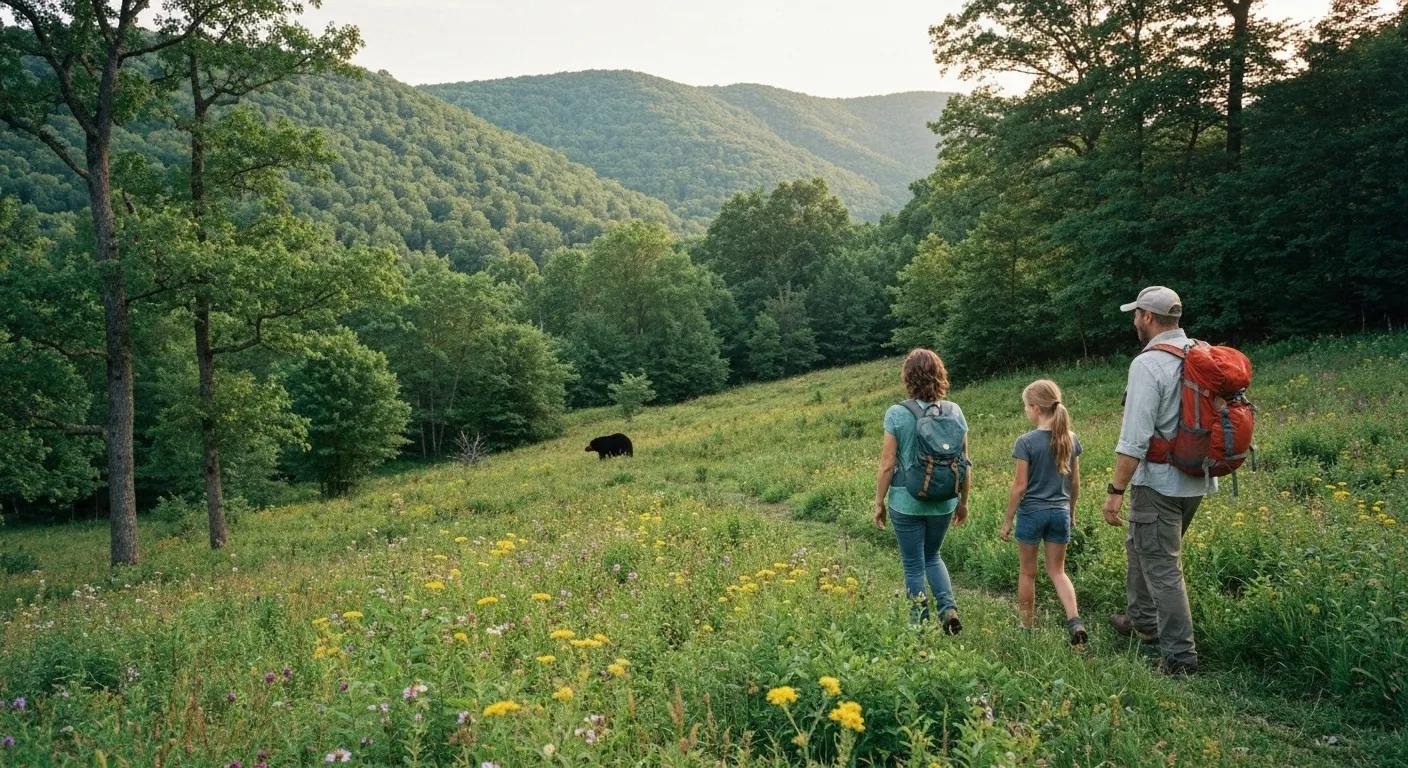
Sharing the Shenandoah Valley with its incredible wildlife is part of the magic! Wildlife safety protects both visitors and native species by preventing dangerous encounters and fostering respect for natural habitats. By incorporating smart food storage, trail awareness, and knowing first-response actions, you create a balanced approach that benefits everyone.
How Can You Safely Handle Bear Encounters?
Bear sightings are a thrill, but knowing how to act keeps everyone safe. Always store all food and scented items (yes, even toothpaste!) in bear-proof containers or locked vehicles at least 100 yards from your campsite.
- Keep cooking utensils and trash in secure lockers immediately after use.
- Hang clothes and toiletries on a line 12 feet high and 5 feet from vertical supports.
- If a bear approaches, maintain a calm voice, make yourself look big, and back away slowly.
These practices reduce attractants and teach bears that campsites are not for foraging, preserving safety for both your family and these magnificent creatures.
What Are Effective Tick Prevention Strategies for Kids?
Tiny ticks shouldn't spoil your big adventures! Dress children in light-colored long sleeves and pants tucked into socks, and apply EPA-approved repellents containing DEET or permethrin.
- Conduct thorough tick checks every two hours, paying special attention to ears, hairline, and beltline.
- Remove any ticks promptly with fine-tipped tweezers, cleaning the site with antiseptic.
- Wash clothing in hot water after each day to eliminate any lingering nymphs.
Tick Prevention Strategies
Preventing tick-borne illnesses involves wearing protective clothing, using repellents, and conducting regular tick checks. These measures are vital for minimizing the risk of Lyme disease and other tick-related diseases, ensuring a healthy and safe outdoor experience for families.
Centers for Disease Control and Prevention, "Preventing Ticks and Tick-borne Diseases" (2023)
This citation reinforces the article's advice on tick prevention strategies.
How Do You Identify and Avoid Snake Hazards?
Encountering a snake can be startling, but knowing what to do makes all the difference. Venomous copperheads and timber rattlesnakes frequent rock piles and sunlit patches along trails.
- Always watch where you step and avoid stepping over logs—instead, use a stick to probe thick brush ahead.
- Wear sturdy boots and gaiters when hiking off marked paths for extra protection.
- Learn to recognize their distinctive triangular heads and athletic coiled postures from a safe distance.
By combining vigilance with protective clothing and trail discipline, families can navigate snake habitats without incident, keeping everyone safe.
How Do You Identify and Prevent Poisonous Plant Exposure While Camping?
Nobody wants an itchy souvenir from their camping trip! Poisonous plant safety helps families recognize and avoid contact with these common irritants, ensuring your hiking and exploring remain irritation-free and enjoyable. Visual identification combined with protective measures keeps those uncomfortable rash outbreaks to a minimum.
What Are the Characteristics of Poison Oak, Ivy, and Sumac?
| Plant | Leaf Arrangement | Distinctive Feature |
|---|---|---|
| Poison Ivy | 3 glossy leaflets, smooth edges | Appears on woody vines or ground cover |
| Poison Oak | 3 leaflets, lobed margins | Resembles oak leaves in clusters |
| Poison Sumac | 7–13 leaflets, smooth margins | Grows in wet, swampy soils |
How Can You Recognize Urushiol and Its Effects?
Urushiol is the sneaky oily resin in these plants that binds to your skin and triggers that familiar itching and inflammation within 12–48 hours.
- Early signs include redness and small blisters along exposed areas.
- Be aware: it can spread if transferred via clothing, gear, or even your pet’s fur!
- Severe reactions require medical attention and prescription corticosteroids, so don't hesitate to seek help.
Understanding how urushiol works empowers families to decontaminate quickly and interrupt the rash development cycle, minimizing discomfort.
What Are the Best First Aid Treatments for Poisonous Plant Rashes?
If contact occurs, immediate washing with cold running water and gentle soap is key to removing residual oils before they penetrate deeper.
- Apply over-the-counter calamine lotion or hydrocortisone cream to soothe that persistent itching.
- Use cool compresses for 15 minutes to help reduce inflammation and provide relief.
- Cover weeping blisters with non-stick gauze to prevent infection and promote healing.
Prompt treatment eases discomfort and prevents secondary bacterial infections, allowing your family to return to your activities with minimal downtime.
What Are the Essential Campfire Safety Guidelines for Families?
There's nothing quite like gathering around a crackling campfire, sharing stories and making s'mores. Campfire safety prevents burns, wildfires, and smoke inhalation by controlling fire behavior and establishing clear protocols for everyone. Safe fire management keeps your evenings warm, bright, and full of happy memories without danger.
How Do You Build and Manage a Safe Campfire?
Building a safe campfire is an art – and a science! Start with a cleared circle at least 10 feet from tents, dry leaves, and any overhanging branches.
- Arrange small tinder and kindling in a teepee or log cabin formation to control flame height.
- Feed the fire gradually with split wood—avoid large logs that spark and flare unpredictably.
- Always keep a bucket of water or a fire extinguisher within arm’s reach, just in case.
Controlled construction and constant supervision ensure your flames stay contained and predictable, making for a truly enjoyable experience.
What Are the Steps to Properly Extinguish a Campfire?
Putting out your campfire properly is just as important as building it. Douse embers thoroughly with water until all hissing stops, stirring ashes with a shovel to expose any hidden hot spots.
- If water is limited, sprinkle sand or dirt over residual coals, repeating until they are cool to the touch.
- Before leaving the site unattended, ensure absolutely no smoke or warmth remains.
Complete extinguishment prevents rekindling and drastically reduces wildfire risk, safeguarding both campers and the beautiful Valley ecosystem.
How Can You Prevent and Treat Campfire Burns?
A little caution goes a long way when it comes to campfire fun. Maintain a designated seating distance of at least five feet from the fire ring and teach children to respect this important boundary.
- Treat minor burns immediately with cool running water for 10–15 minutes.
- Apply a sterile, non-adhesive dressing and an over-the-counter burn gel for comfort.
- For deep, blistering, or large-area burns, always seek medical care promptly.
These measures support swift recovery and reinforce safe behavior around open flames, keeping everyone happy and healthy.
How Should Families Prepare for Weather Emergencies While Camping?
Mother Nature in the Shenandoah Valley can be full of surprises! Being prepared means you can enjoy every moment, come rain or shine. Weather preparedness equips families to anticipate and respond calmly to storms, extreme temperatures, and sudden atmospheric changes. Monitoring forecasts and carrying emergency supplies transforms unpredictable conditions into manageable situations.
What Are Common Weather Hazards in Shenandoah Valley?
| Hazard | Risk Factor | Typical Season |
|---|---|---|
| Thunderstorms | Flash flooding, lightning | Spring to early fall |
| Lightning | Fire ignition, injury | Summer afternoons |
| Heavy Snow | Hypothermia, road closures | Late fall to winter |
How Do You Prevent Hypothermia and Heatstroke?
Keeping everyone comfortable, no matter the temperature, is key to happy campers. Staying within thermal comfort zones requires smart layered clothing and vigilant hydration.
- For cold: wear moisture-wicking base layers, insulated jackets, and hats to retain precious body heat.
- For heat: choose loose, breathable fabrics, rest frequently in the shade, and drink water every 15–20 minutes.
- Monitor children closely for shivering or flushed skin—these are early signs of thermal distress.
Active temperature management protects core body functions and sustains energy for all your daily adventures.
What Emergency Actions Should You Take During Severe Weather?
When the weather takes an unexpected turn, knowing what to do can make all the difference. Seek shelter in a sturdy building or metal-roofed vehicle at the first sign of lightning or high winds.
- Move away from tall trees, open fields, and water bodies immediately.
- Use emergency blankets, whistles, and flashlights to stay visible and warm.
- Contact park rangers or 911 if injuries occur or conditions worsen—we're here to help.
These steps keep families protected until professional rescue or storm abatement restores safe camping conditions, allowing you to breathe easy.
How Can Families Prevent Getting Lost and Stay Safe on Shenandoah Hiking Trails?
Exploring the Shenandoah's beautiful trails is an adventure in itself! Trail safety combines preparation, clear communication, and real-time navigation tools to keep every family member accounted for on winding paths. Thorough protocols reduce panic and speed reunification if separation occurs, ensuring peace of mind.
What Are Effective Lost Prevention Strategies for Kids?
Little legs love to explore, and sometimes they wander a bit too far! Provide each child with a whistle and a lightweight GPS tracker or compass, and practice using them before you even hit the trail.
- Teach the simple yet powerful “stop, stay, and blow” rule if they realize they’re off-path.
- Establish visual landmarks and check-in intervals every 15–30 minutes to keep everyone connected.
- Reward adherence to these guidelines to reinforce safe hiking habits and make it fun!
Equipping kids with these tools and clear instructions fosters confidence and ensures rescuers can locate them quickly, should the need arise.
How Does the Buddy System Improve Family Safety?
The buddy system isn't just for fun; it's a fantastic way to keep everyone safe and connected on the trails. Pairing every child with an adult or older sibling doubles supervision and divides responsibilities.
- Buddies agree to stay within sight and sound of one another at all times.
- Each pair carries a communication device, such as a two-way radio or phone, for easy contact.
- Rotating roles between leader and navigator keeps everyone engaged and alert, making the hike more interactive.
This cooperative approach bolsters group cohesion and prevents anyone from straying unnoticed, ensuring a smoother, safer adventure.
What Should You Do If Someone Gets Lost While Hiking?
Even with the best planning, sometimes things happen. Here's your quick guide if someone gets separated while hiking:
- Immediately gather the remaining group and retrace steps to the last known location, leaving clear markers such as brightly colored clothing or sticks.
- Blow whistles in one-minute bursts three times to signal your presence and location.
- Use mirrors or flashlights to catch rescuers’ attention if visibility is low.
- Notify park authorities with exact trail names and last seen landmarks as quickly as possible.
Quick, coordinated action accelerates search efforts and reunites families with minimal anxiety, getting you back to enjoying your trip.
How Does Campsvc.com Ensure a Safe and Family-Friendly Camping Experience?
At Campsvc.com, your family's safety and peace of mind are our top priorities. We integrate thoughtful safety measures, highly trained staff, and modern amenities to create a secure environment that lets families truly enjoy Shenandoah’s beauty worry-free. Our commitment to well-maintained grounds and personalized support elevates every stay, making it truly special.
What Safety Amenities and Services Does Campsvc.com Provide?
Imagine relaxing, knowing every detail is handled. Our campgrounds feature convenient bear-proof storage lockers, beautifully LED-lit walking paths, and central emergency stations staffed around the clock.
- You’ll find certified first aid kits readily available at every cabin and RV site.
- Enjoy peace of mind with on-site playground fencing and shaded picnic pavilions for family fun.
- Benefit from regular patrols by our trained safety rangers and EMT-certified staff, always ready to assist.
These amenities reinforce our dedication to proactive care and guest peace of mind, so you can simply enjoy your time together.
How Are Staff Trained to Support Family Camping Safety?
Our team isn't just friendly; they're safety superheroes! All team members complete American Red Cross first aid, CPR, and wilderness medicine certification before serving guests.
- Seasonal safety briefings ensure our staff has up-to-date knowledge of all local hazards.
- Guided nature walks teach proper wildlife and plant identification, enhancing their expertise.
- Emergency response drills guarantee swift, coordinated assistance when needed, so you're always in good hands.
Our expert personnel combine local expertise with professional training to deliver responsive, trustworthy support, making your stay truly worry-free.
Why Book Your Family Camping Adventure with Campsvc.com?
Ready for a Shenandoah Valley adventure where every detail is handled? Booking with Campsvc.com grants you access to carefully curated safety resources, flexible accommodations, and personalized trip planning that makes everything easy.
- Enjoy customized packing checklists and convenient on-demand gear rentals.
- Benefit from exclusive family-oriented recreation programs and engaging nature tours.
- Receive priority access to our most scenic cabin sites and premium RV hookups.
Our comprehensive services and unwavering focus on security ensure your Shenandoah Valley getaway is as safe as it is memorable, creating cherished moments for years to come.
Families can embrace the Shenandoah Valley’s natural wonders without compromising safety by following these proven guidelines. From choosing the perfect campsite and navigating wildlife encounters to being ready for any weather and confidently exploring trails, every step reinforces confidence and connection. With Campsvc.com’s dedicated amenities and expert staff, your next outdoor adventure promises both comfort and protection, leaving plenty of room for exploration and unforgettable moments beneath the stars. So go ahead, dream big about those starry nights and sun-drenched hikes. Book your safe family camping trip today and experience the perfect blend of adventure and peace of mind!