Campgrounds in Virginia that offer Group Camping Sites
Just use this guide to find Virginia campgrounds with dedicated group sites that fit your group's size and needs; you'll learn about reservation policies, amenities like picnic shelters, fire rings, restroom access, and nearby trails, and how to compare state parks, private campgrounds, and national forests so your planning is efficient, safe, and tailored to your group's preferences.
Key Takeaways:
- Advance reservations and permits are commonly required for group sites; capacities, fees, and booking windows vary by park and season.
- Group sites typically offer picnic shelters, fire rings, central parking and sometimes restrooms, showers, or RV hookups—check vehicle/tent limits and accessibility before arrival.
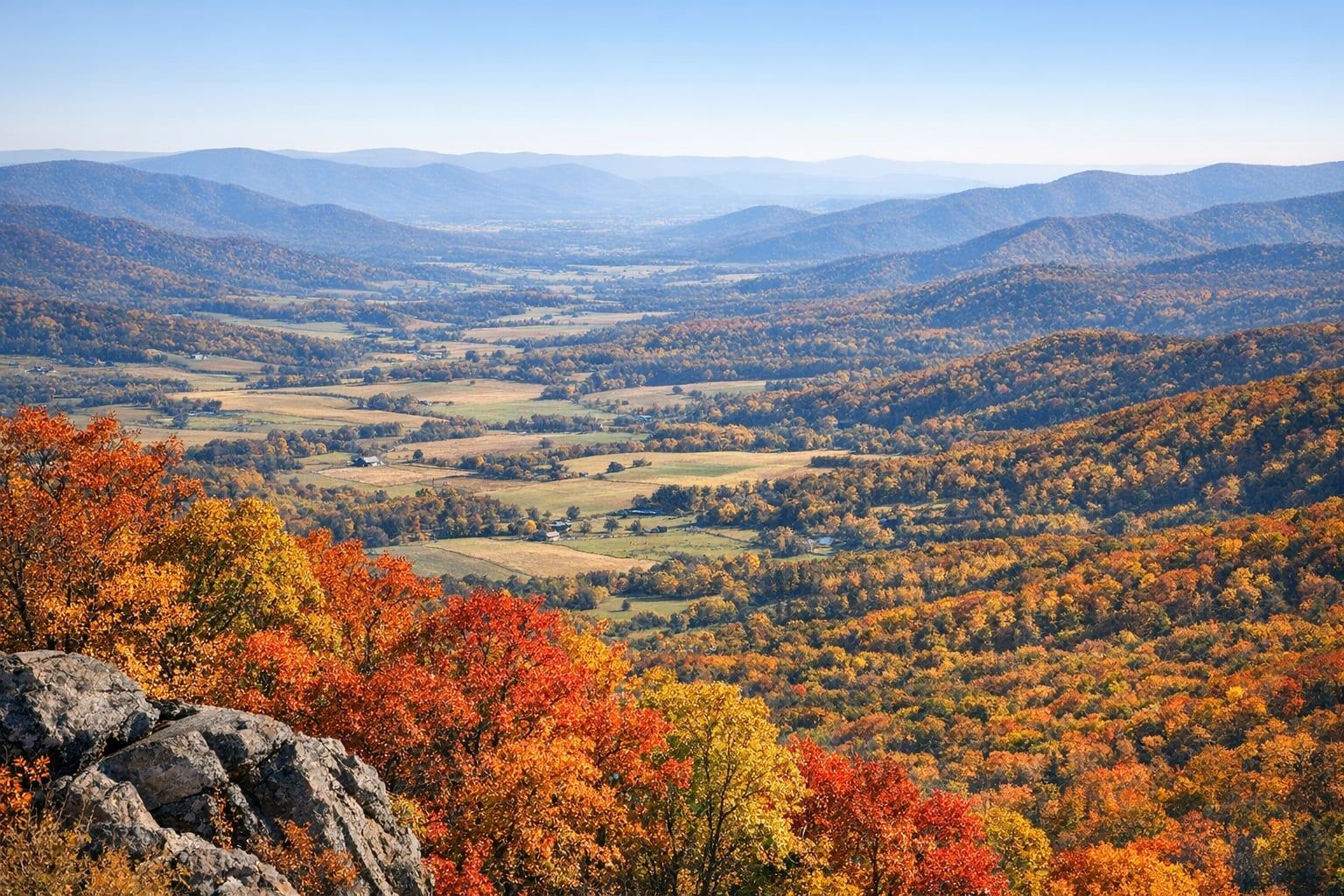
- Virginia offers group camping in mountains, rivers, and coastal areas (e.g., Shenandoah, Douthat, river and beach parks) with hiking, boating, ranger programs and event permit options; seasonal access and road conditions can affect logistics.
Overview of Group Camping in Virginia
When you plan group camping in Virginia, expect options from primitive backcountry sites to full-service state park group areas; capacities typically range from 8 to 100+ people. Many parks require advance reservations or permits, with fees often between $25–$150 per night depending on hookups and season. You should account for seasonal closures in higher elevations, permit lead times of 30–90 days for popular spots, and variable parking limits that affect large-vehicle access.
Benefits of Group Camping
Group trips let you lower per-person costs, consolidate gear, and expand activity options—splitting a $150 site among 12 people cuts cost to about $12.50 each. You can run structured programs like birding walks, service projects, or team-building drills; many parks provide picnic pavilions and grills for larger groups. Advance reservations also increase your chance of reserving adjacent sites for privacy and logistics.
- You gain economies of scale on food, fuel, and permits.
- Your group can access ranger-led programs and reserved facilities not available to individuals.
- Recognizing that clear roles (cook, trip leader, safety officer) reduces on-site friction improves safety and enjoyment.
Types of Group Camping Sites
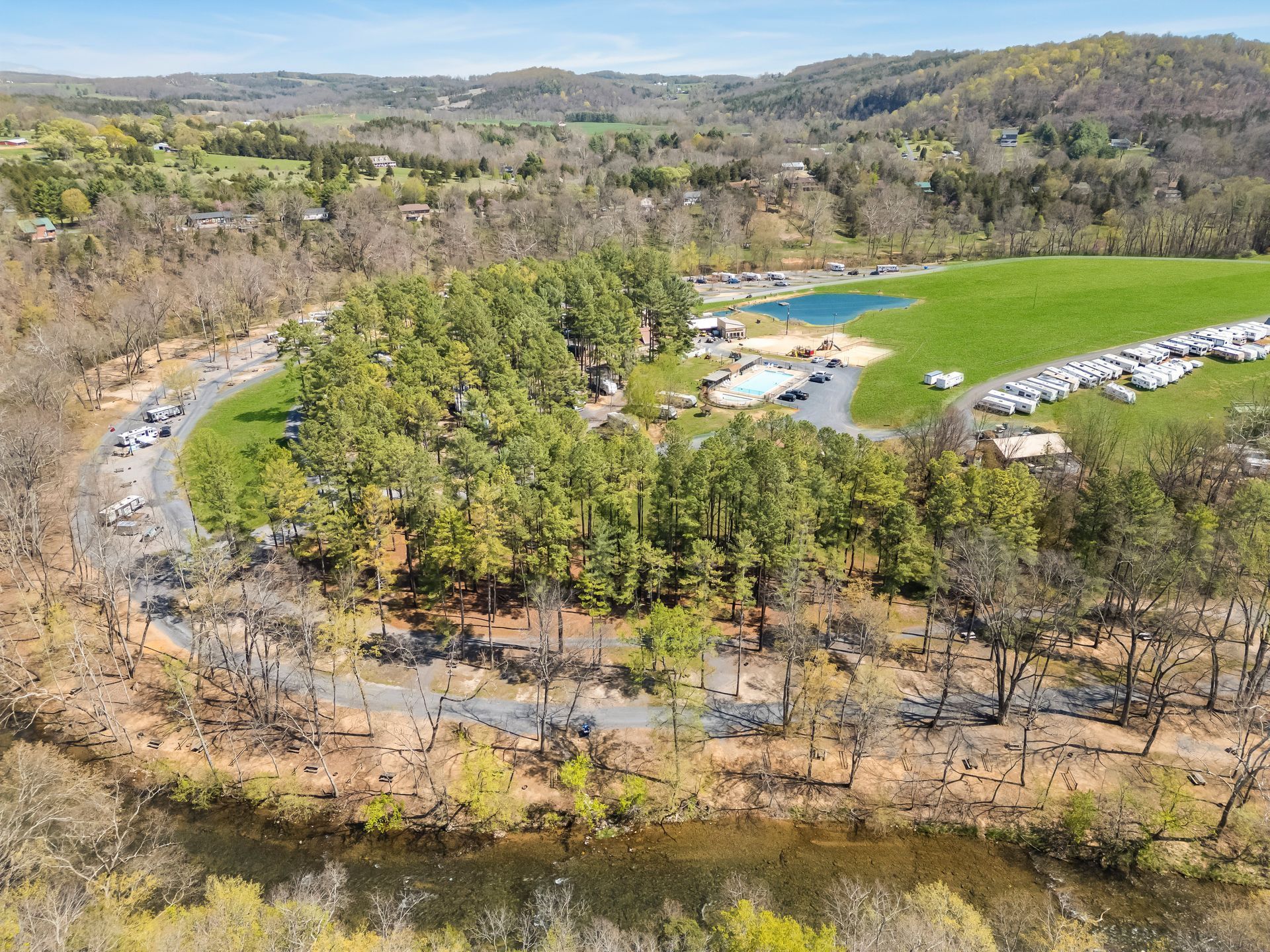
You’ll find pavilion/group picnic areas, primitive tent group sites, cabin clusters, RV group loops with hookups, and backcountry shelters; typical capacities span 10–100+ people. Many Virginia state parks and national forest districts publish site maps showing parking, potable water, tent pads, and restroom types so you can match site amenities to your group's mobility and comfort needs.
| Pavilion / Picnic Area | Capacity 20–100; picnic tables, grills, electricity at some sites |
| Primitive Group Tent Site | Capacity 10–40; minimal facilities, often no potable water |
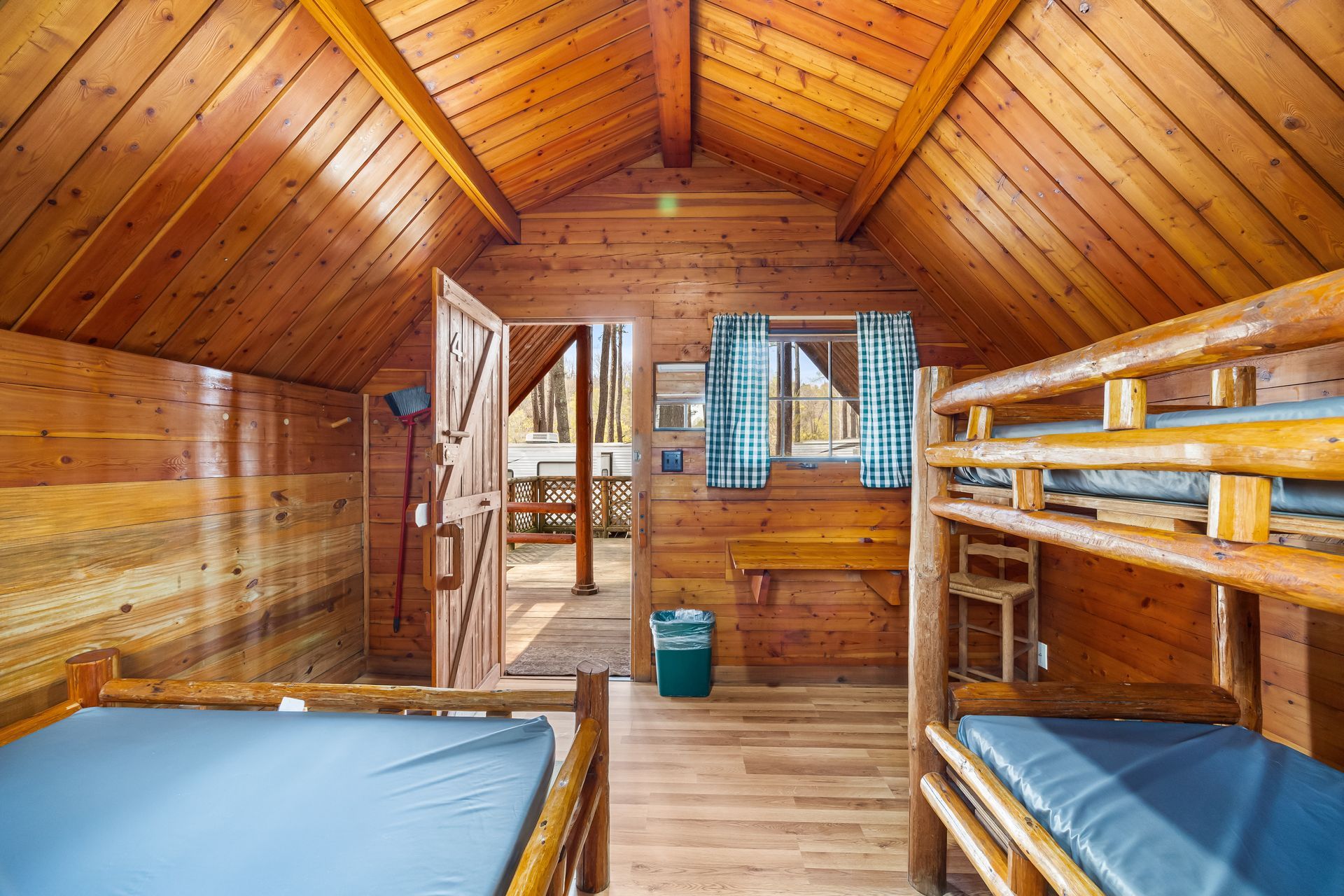
| Cabin Cluster / Group Lodge | Capacity 10–30; bunks, kitchens, indoor plumbing in many state parks |
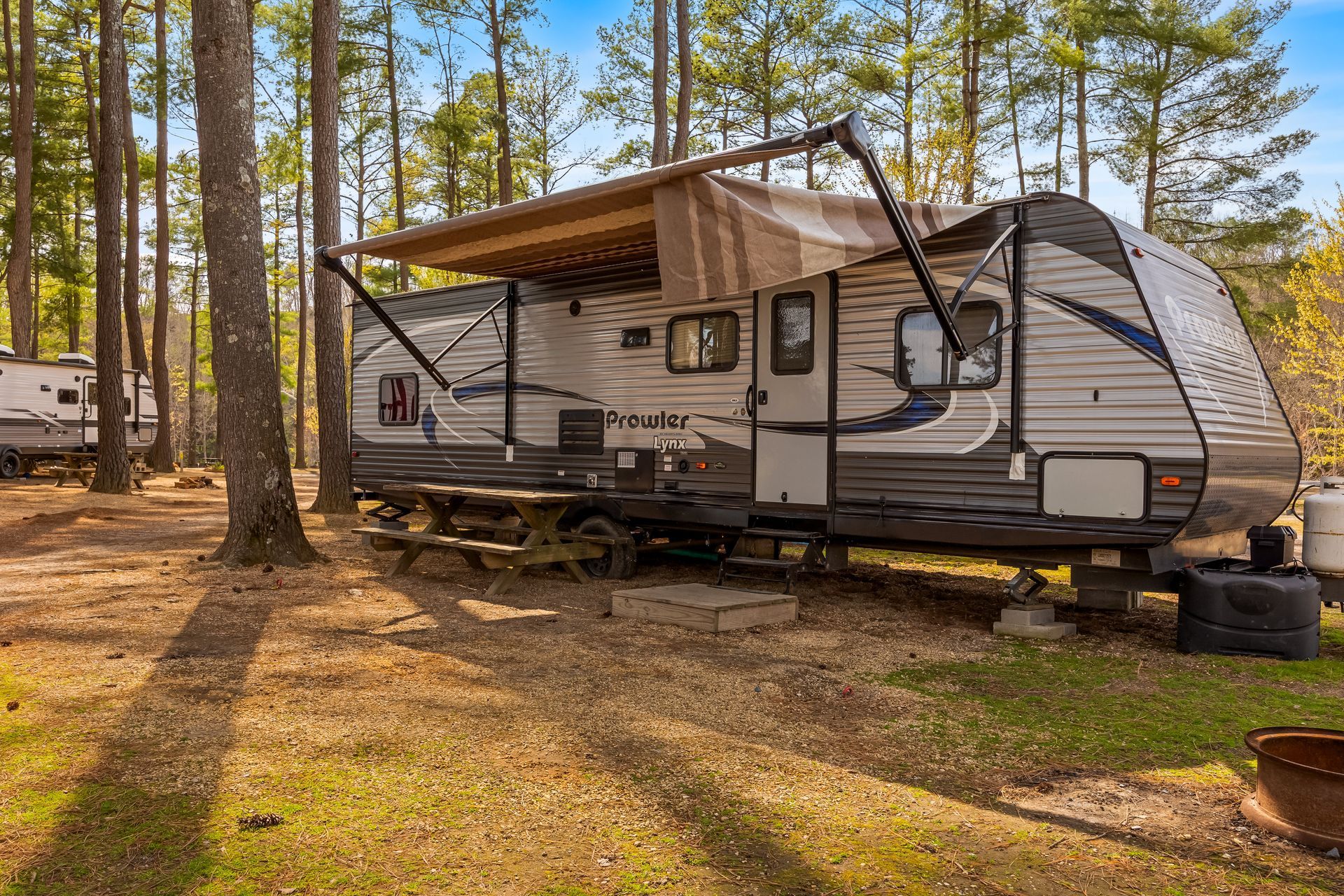
| RV Group Loop | Capacity depends on loop; hookups (30/50A) and dump stations common |
| Backcountry Group Shelter | Capacity 6–20; best for experienced groups, permits often required |
For planning, check site-specific limits: many sites limit vehicles (e.g., 4 cars) and enforce quiet hours; you should also verify fire regulations and food-storage rules—black bear presence in parts of Virginia means bear-resistant containers or storage lockers may be mandated. Consider accessibility needs: some group cabins and paved loops offer ADA-compliant options, while backcountry sites do not, so match site type to participant mobility and vehicle size.
- Assess vehicle limits and turnaround space if you bring trailers or buses.
- Plan food storage and sanitation based on whether potable water and vault toilets are present.
- Recognizing seasonal fire bans, high-snow closures, and permit windows will avoid last-minute changes to your itinerary.
| Site Type | Best Use / Notes |
| Pavilion | Day events, rain cover, electric outlets aid food prep |
| Primitive Tent Site | Low-impact groups, youth camps, often cheaper per night |
| Cabin / Lodge | Cold-season comfort, sleeping indoors, better for mixed-age groups |
| RV Loop | Overnight drives, seniors or mobility needs, hookups available |
| Backcountry Shelter | Extended hikes, leave-no-trace focus, smaller capacity |
Popular Campgrounds for Group Camping
Shenandoah National Park
At Shenandoah you’ll find group-friendly campgrounds like Big Meadows and Loft Mountain with drive-up sites and several walk-in group areas along Skyline Drive. Many sites accommodate 8–20 campers, offer picnic shelters, fire rings, and access to flush toilets and potable water. Day hikes to Dark Hollow Falls and the Appalachian Trail put large groups within minutes of scenic overlooks, making logistics simple for mixed-ability outings.
Pocahontas State Park
Pocahontas, Virginia’s largest state park at about 7,900 acres and roughly 20 miles south of Richmond, offers reservable group campsites suited for scouts, reunions, and church groups. Sites commonly support tents and RVs, some with electrical hookups, and provide nearby bathhouses and picnic shelters. With over 90 miles of multi-use trails and boating on Swift Creek Lake, your group can combine mountain biking, hiking, and paddling in one weekend.
You can reserve group sites through the Virginia State Parks reservation system; typical group sites host roughly 20–50 people and include nearby potable water and restroom facilities. Staff-led programs and local outfitters provide guided paddles or weekend skills clinics, while large open fields and ample parking simplify setup for potlucks, team-building activities, and evening campfire programs.
Lake Anna State Park
Lake Anna places group campsites within easy reach of the 13,000-acre lake, with shaded pavilions, drive-in sites, and a designated swim beach ideal for large gatherings. You’ll have access to boat ramps for group launches, strong bass and striped bass fishing, and picnic areas that handle sizable parties. Proximity to Fredericksburg and Richmond makes Lake Anna a convenient weekend option for regional groups traveling short distances.
Book group sites early for peak season (May–September) since holiday weekends fill quickly; day-use pavilions and shorefront spots are popular. Bring life jackets and coordinate marina or slip rentals if you plan multiple boats, and take advantage of seasonal ranger programs and nearby outfitters for guided fishing or kayak tours to add structure to your group’s itinerary.
Campground Amenities and Facilities
You'll find a mix of amenities across Virginia campgrounds: potable water spigots, vault or flush toilets, coin-operated showers, dump stations, and laundry at larger parks. Many sites provide 30/50‑amp electrical hookups and picnic shelters seating 20–50. Cell coverage is patchy in the mountains but Wi‑Fi is common at private resorts. Boat ramps, playgrounds, and on-site stores are frequent at lakefront campgrounds.
Group Campsite Features
You can expect large cleared common areas, multiple tent pads or RV pads, centralized fire rings, and several parking spaces. Some group sites accommodate 20–75 people and include covered pavilions, picnic tables for 30–60, and accessible pathways. State park group areas often sit near restroom buildings and potable water, while private campgrounds may add electrical hookups and dedicated event shelters.
Additional Services Available
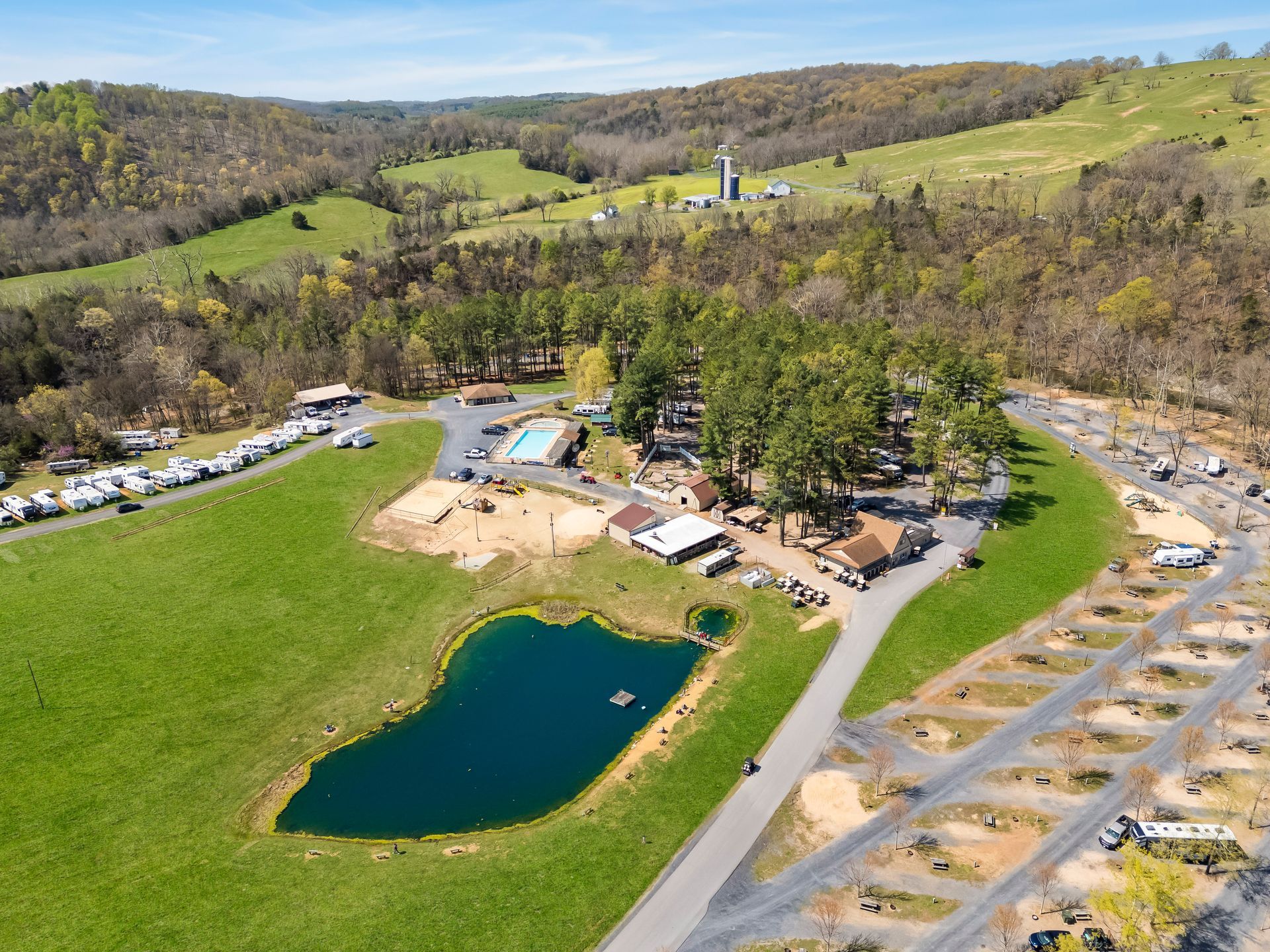
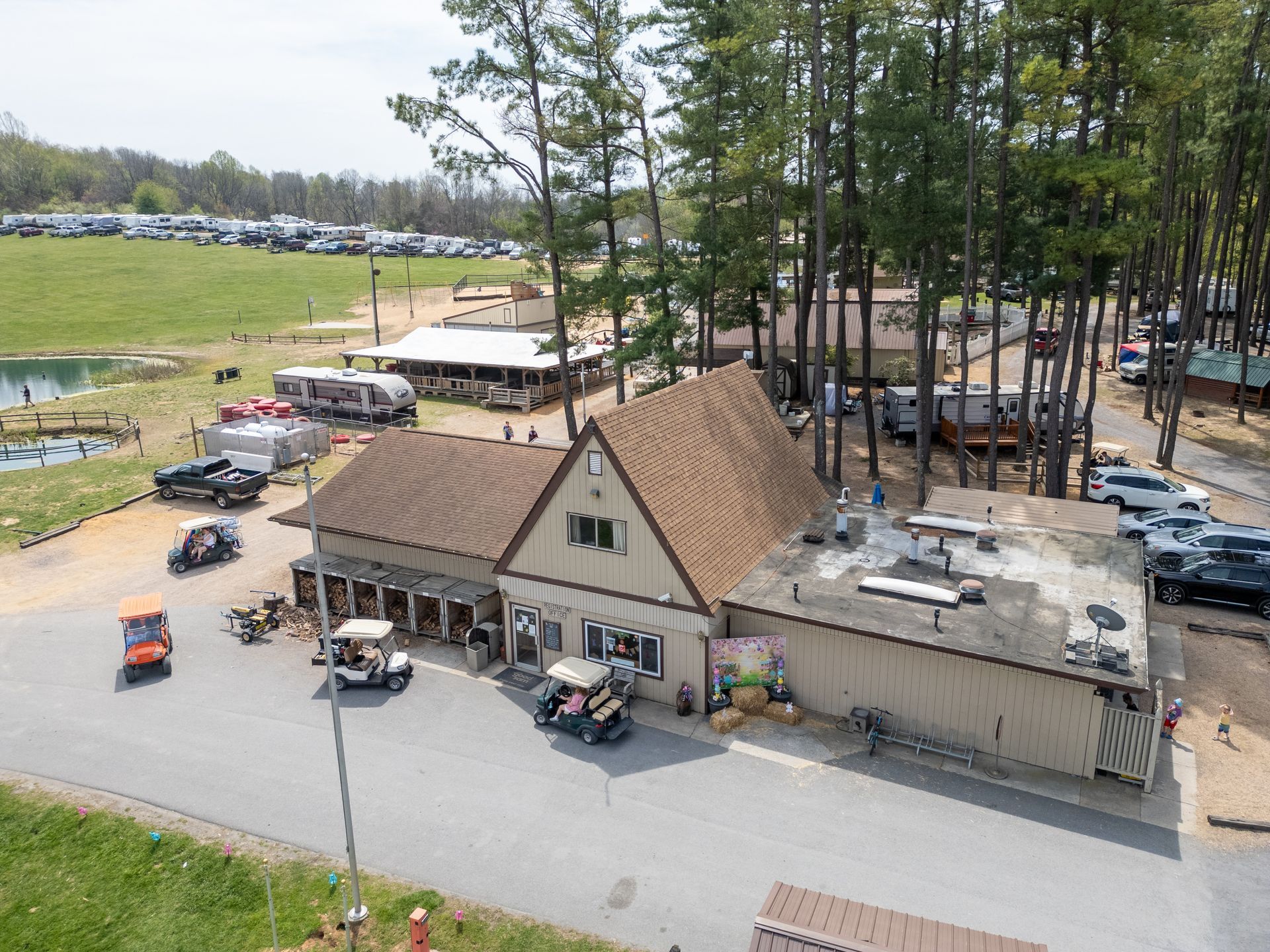
You may find add-on services such as equipment rental, guided hikes, catering for group meals, shuttle service to trailheads, and ranger-led programs. Private campgrounds commonly offer on-site coordinators, firewood sales, and kayak or canoe rentals—rentals often cover tents sized for 10–30 people. For large gatherings, sites can arrange porta‑potties and extra parking for buses or trailers.
For example, many private venues provide meal packages priced roughly $12–20 per person, event staff to set up seating for 50–200 attendees, and rental bundles of tables/chairs in groups of 10–50. Lead times typically run 2–8 weeks for large bookings, so you should confirm availability, exact pricing, deposit requirements, and cancellation policies when planning your stay.
Planning Your Group Camping Trip
Reservations and Availability
Plan to book well ahead: weekends often fill 2–3 months out, while summer holiday weekends (Memorial Day, Fourth of July, Labor Day) can require 6–12 months' lead time. Group sites typically list capacities of 10–50 people and may require a deposit (commonly 10–50% of the fee) plus a signed permit. Check cancellation windows and any weekday discounts; shifting a trip to a Monday–Thursday can cut costs and free up larger sites.
Essential Packing List
Pack shelter for everyone (multiple 6–8 person tents or a large 12–20 person shelter), sleeping systems rated for local temps, cooking gear (two-burner stove, grill, fuel), water (plan 1 gallon per person per day), lighting (lanterns + headlamps), a full first-aid kit, sanitation supplies, repair tools, maps/phone chargers, and all permits or reservation confirmations.
Be specific with quantities: bring at least one spare tent and extra guy lines, two stoves for groups over 8, and 5–gallon water jugs plus individual 1L bottles. For food, budget one large cooler per four people and about 10 lbs of ice per cooler per day; pack a backup dry-food cache in case of storms. Assign roles—cook, water manager, fire captain—and label gear so you avoid duplicate tools. Check park rules on firewood and wildlife-proof storage; if bears are present, plan for bear-resistant containers or park-provided lockers.
Safety and Regulations
Fire Safety Guidelines
You must keep campfires in designated rings or use an elevated stove; many Virginia parks restrict fire diameter to about 3 feet and implement seasonal burn bans. Always position a bucket of water and a shovel within arm's reach (roughly 2–3 feet), never leave a blaze unattended, and douse and stir embers until cold to the touch. Check the ranger station for permit requirements and current restrictions before lighting any fire.
- Use only designated metal rings or portable gas stoves in group sites.
- Keep combustibles and tents at least 10 feet away; store fuel in approved containers.
- Have water and a shovel within 2–3 feet for rapid extinguishing.
- This ensures embers cannot reignite and reduces wildfire risk.
Wildlife Conservation Tips
You must store food, toiletries, and scented items in bear-resistant lockers or hard-sided vehicles; if none exist, hang food 10–15 feet high and 4–6 feet from the trunk. Cook and eat at least 100 feet from sleeping areas, never feed wildlife, and bag trash immediately for disposal in animal-proof receptacles to prevent habituation of deer, raccoons, and black bears commonly found in Shenandoah and other Virginia parks.
- Use park bear lockers or an approved canister when available.
- Cook and eat 100 feet from tents; clean cookware promptly.
- Store coolers in vehicles when required and secure all trash.
- This reduces food-conditioned wildlife encounters at campgrounds.
You should give animals space: maintain about 100 yards from bears and wolves and about 25 yards from smaller mammals and birds, using binoculars or zoom lenses for close views. Limit group noise at dawn and dusk, avoid approaching fawns, and follow leave-no-trace rules—pack out trash and, in backcountry areas, dig catholes 6–8 inches deep at least 200 feet from water and campsites.
- Keep a quiet perimeter during wildlife feeding times to avoid startling animals.
- Report aggressive or habituated wildlife to park staff immediately.
- This helps rangers track problem animals and protect both you and local species.
To wrap up
With this in mind, when planning group camping in Virginia you can rely on a range of campgrounds that provide spacious group sites, amenities, and reservation systems tailored to larger parties. You should assess capacity, accessibility, and available activities to match your group's needs, verify policies on fires and pets, and book early for peak season. By prioritizing facilities and location, you ensure your group's comfort, safety, and an efficient, enjoyable outdoor experience.
FAQ
Q: Where can I find campgrounds in Virginia that offer group camping sites?
A: Look at three primary sources: Virginia State Parks (stateparks.virginia.gov) which lists group campsites and pavilions with online reservations; federal lands such as the George Washington and Jefferson National Forests and Recreation.gov for group sites, shelters and large picnic areas; and private campgrounds/KOA properties that advertise group loops, lodges or event fields. Use each park’s website to filter for “group camping” or “group shelter,” call the park office to confirm capacity and access, and check Recreation.gov or the private campground’s reservation portal for availability and rules.
Q: What amenities, capacity limits, and rules commonly apply to group camping sites in Virginia?
A: Amenities vary by site but often include picnic shelters or pavilions, fire rings, picnic tables, potable water, restroom or shower facilities, parking for multiple vehicles, and sometimes electric hookups or group kitchens. Capacities typically range from about 10–50 people for standard group sites; some venues accommodate 50–200+ for large pavilions or organized-event areas. Common rules include enforced quiet hours, vehicle limits, permit requirements for large groups, restrictions on open fires during burn bans, leash rules for pets, generator hours or bans, trash removal requirements, and sometimes proof of liability insurance or security deposits for large or commercial events. Always check the specific site’s regulations before booking.
Q: What are the best practices for booking and preparing a group camping trip in Virginia?
A: Book well in advance for spring–fall weekends and holidays (Memorial Day, Fourth of July, Labor Day) since group sites fill early; midweek or off-season dates are easier to secure and often cheaper. Confirm site vehicle and bus access, RV or trailer clearance, ADA accessibility, and whether potable water and hookups are available. Ask the ranger about food-storage rules in bear country and local tick/mosquito risks. Verify cancellation and refund policies, required permits or deposits, and whether on-site staff will lock restrooms or gates. Pack extra supplies for large groups (trash bags, toilet paper, water containers, first-aid kit), assign waste and safety duties, and obtain a site map or directions from the park prior to arrival.