Top-rated RV-friendly campgrounds in Virginia
Most RV travelers find Virginia's scenic byways and coastal views perfect for exploring top-rated campgrounds that welcome rigs of all sizes; this guide helps you select sites with full hookups, level pads, and nearby attractions so your stays are comfortable and convenient. You'll learn which parks offer family-friendly amenities, pet policies, and secluded spots for peace, plus tips on seasonal crowds and reservation strategies to ensure your trip goes smoothly.
Key Takeaways:
- Top-rated RV-friendly campgrounds cover mountain-to-coast options—Shenandoah/Blue Ridge areas, Virginia Beach/Chesapeake Bay, and popular state parks (e.g., First Landing, Hungry Mother) for scenic stays.
- Leading sites typically offer full hookups, pull-through and big-rig sites, level pads, Wi‑Fi and on-site dump stations—confirm length limits and hookup types before arriving.
- High demand in peak season—reserve early, verify road access for large rigs, and check recent guest reviews for site quality, staff service and pet policies.
Overview of RV Campgrounds in Virginia
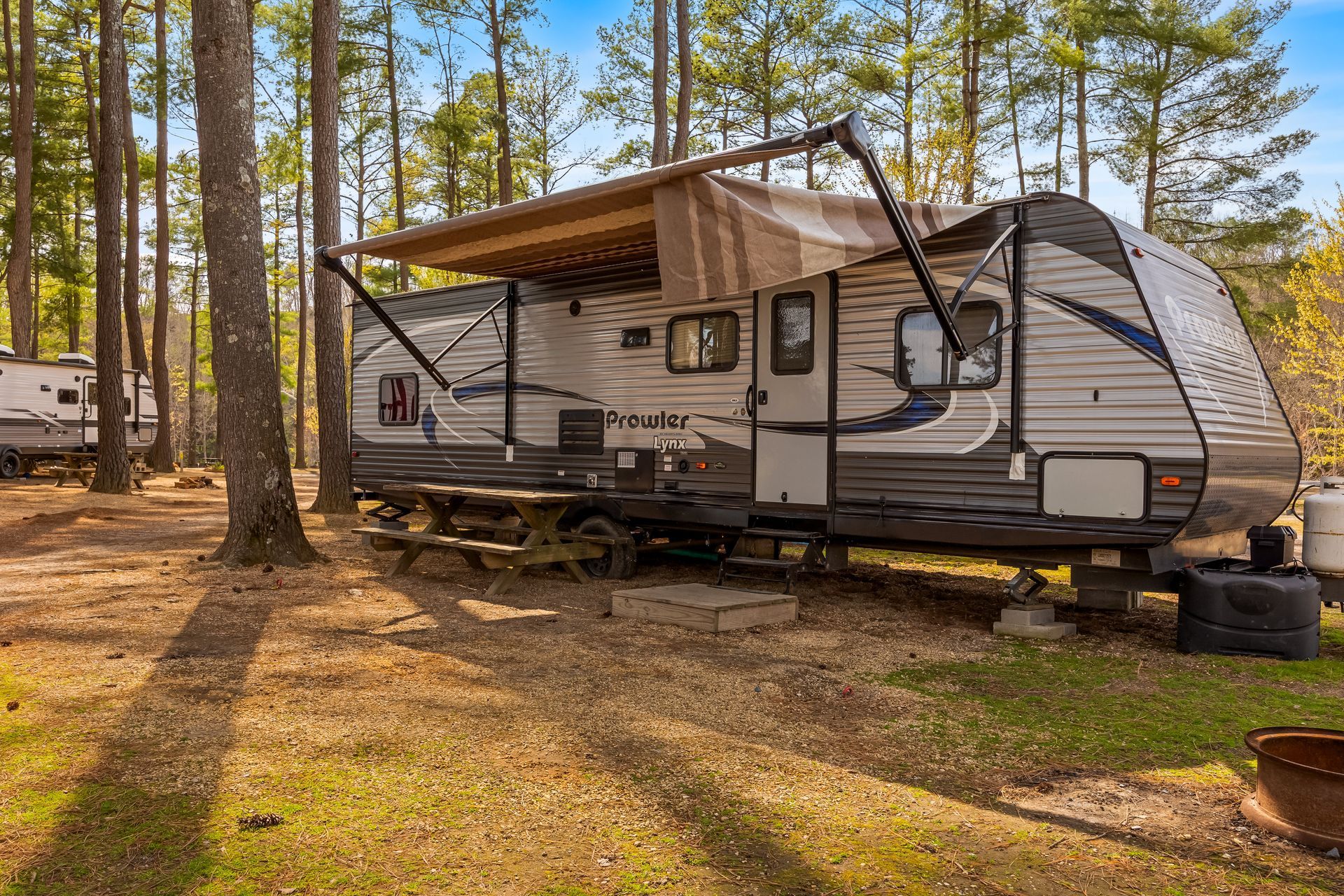
You'll find a wide spectrum of RV campgrounds across Virginia, from coastal sites on the Eastern Shore to mountain pulls along the Blue Ridge; many offer 30/50-amp service, picnic pads and seasonal rates. Expect a mix of private resorts with full amenities and state-managed campgrounds focused on trail access and shoreline views, so you can plan around fishing, hiking or festival schedules while balancing nightly costs and rig requirements.
Benefits of RV Camping
You gain mobility and savings: staying in an RV often reduces lodging costs and lets you sleep steps from trailheads or waterfronts. Many sites provide full hookups, dump stations and Wi‑Fi, and you can choose seclusion in national forests or family-friendly resorts with pools. Seasonal peak demand around Labor Day and summer weekends means you should reserve spots early to secure specific sites for your rig.
Types of RV-Friendly Campgrounds
You'll encounter several campground models: private RV resorts with hookups and recreation, state parks with scenic loops and limited hookups, national forest or BLM-style primitive sites, franchise campgrounds like KOA with standardized services, and waterfront/beach sites that are seasonal and wind-dependent. Each type influences length limits, generator rules and reservation windows, so match the campground to your priorities and rig size.
| Private RV Resorts | Full hookups, Wi‑Fi, pools; suited for extended stays |
| State Park Campgrounds | Scenic locations, trail access, partial hookups; seasonal peaks |
| National Forest/Primitive Sites | Dispersed parking, vault toilets, lower fees; limited services |
| Franchise Campgrounds (e.g., KOA) | Consistent amenities, family activities, reservation systems |
| Waterfront & Beach Campgrounds | Tidal/shore access, wind and weather considerations; seasonal |
You should assess length limits, turn radii and availability of pull-through sites when choosing; for example, rigs over 35 ft often prefer private resorts or KOA locations, while shorter RVs can access many state park loops. In coastal areas you may face tidal restrictions and higher summer rates, whereas mountain campgrounds often close sections in winter—plan your route and reservations accordingly.
- Pick private resorts if you want full hookups and on-site services.
- Choose state parks for hiking access and quieter nights near trailheads.
- Use national forest sites when you prioritize solitude and lower fees.
- This lets you match campground type to your itinerary, rig size and budget.
Top-Rated Campgrounds
Shenandoah National Park
In Shenandoah you can base your RV at Big Meadows or Loft Mountain while tackling the 105-mile Skyline Drive and more than 500 miles of trails. Old Rag’s 9.2‑mile loop and Dark Hollow Falls (1.4 miles) are reachable day hikes. Many sites lack full hookups, so plan for self-contained power and water, and book May–October stays weeks in advance; larger pull-through sites suit longer rigs best.
Virginia Beach Campgrounds
First Landing State Park and False Cape State Park place you minutes from the Atlantic and a 3‑mile boardwalk. First Landing offers wooded RV sites with water and electric options plus roughly 20 miles of trails, while False Cape provides primitive beachfront camping accessible by tram, bike, or boat for a quieter shoreline experience. Peak season fills fast, so reserve early for weekends.
You’ll find modern conveniences at First Landing—hot showers, flush toilets, a dump station and kayak rentals—so you can launch paddles or bike to the boardwalk within a short drive. By contrast False Cape’s limited beachfront sites have no hookups or potable water, requiring you to bring supplies; restricted access keeps crowds down and increases chances of dolphin or bird sightings.
Family-Friendly RV Parks
Activities for Kids
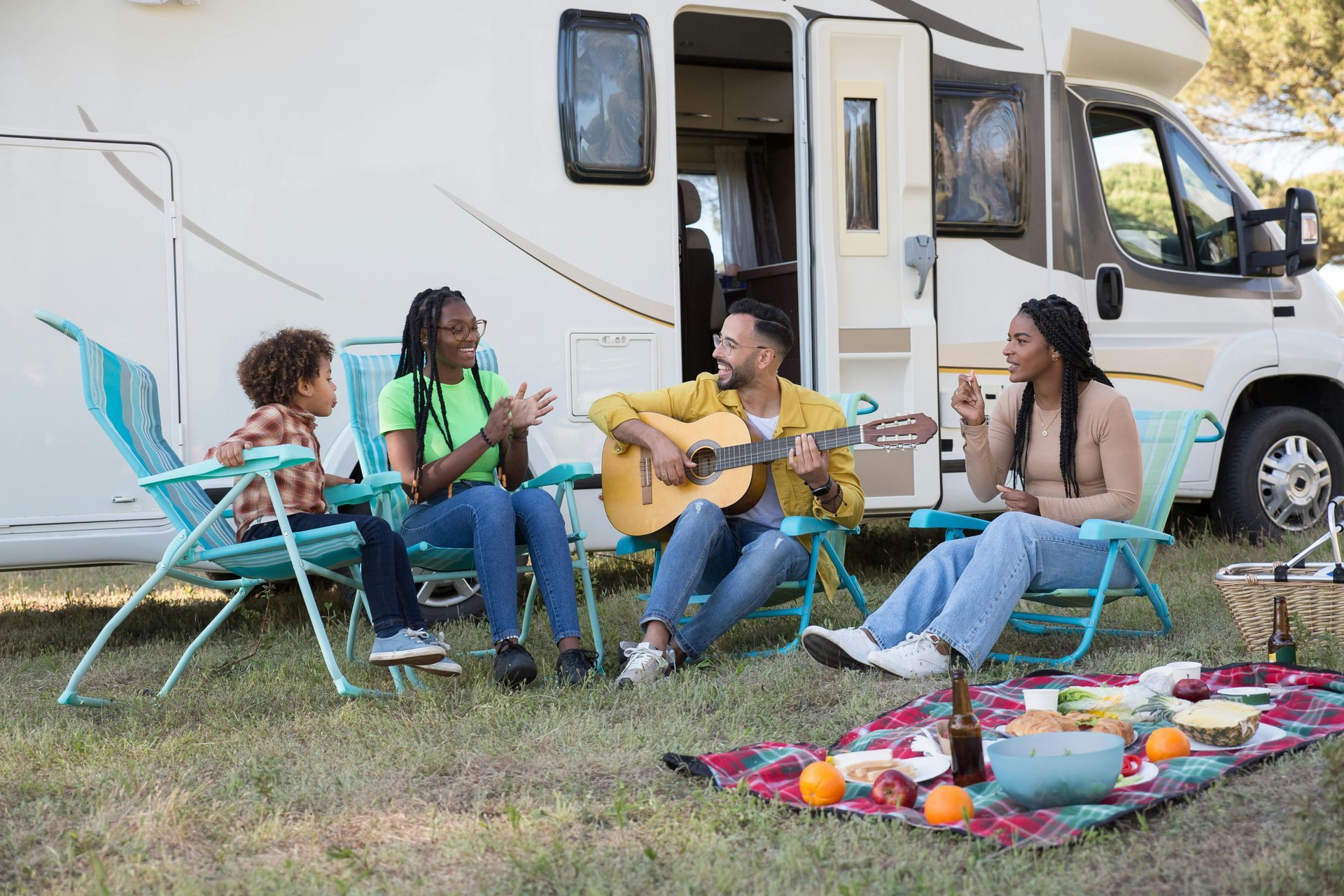
Often you'll find playgrounds, splash pads, and nightly movie nights that keep kids busy; many parks schedule 3–5 organized activities on summer weekends like crafts, scavenger hunts, and nature programs. Along the Chesapeake you can join junior fishing derbies, while Shenandoah-area campgrounds commonly offer guided hikes tailored to ages 6–12. Check posted weekend schedules and on-site event boards so your kids can jump into age-appropriate fun without long drives.
Amenities for Families
Look for full hookups, 50-amp service, level pull-through sites for big rigs (40–70 ft), on-site laundry, heated pools, and secure playgrounds within sight of campsites. Many family-focused parks also include Wi‑Fi, camp stores, picnic shelters, and enclosed restrooms with family changing areas. Prioritize parks that list “family loop” or “kids’ zone” in their site descriptions when booking.
For infants and toddlers, choose parks with shallow splash areas and covered pavilions for shade; for teens, seek bike trails and sports courts. If you need space, scout sites that advertise 30–50 ft of separation or designated big-rig rows. Booking early for holiday weekends matters—popular family parks often have 100+ sites and reserve out months in advance. Check refund policies and on-site childcare or supervised programs if you want occasional adult time.
Scenic Locations for RV Camping
Mountain Views
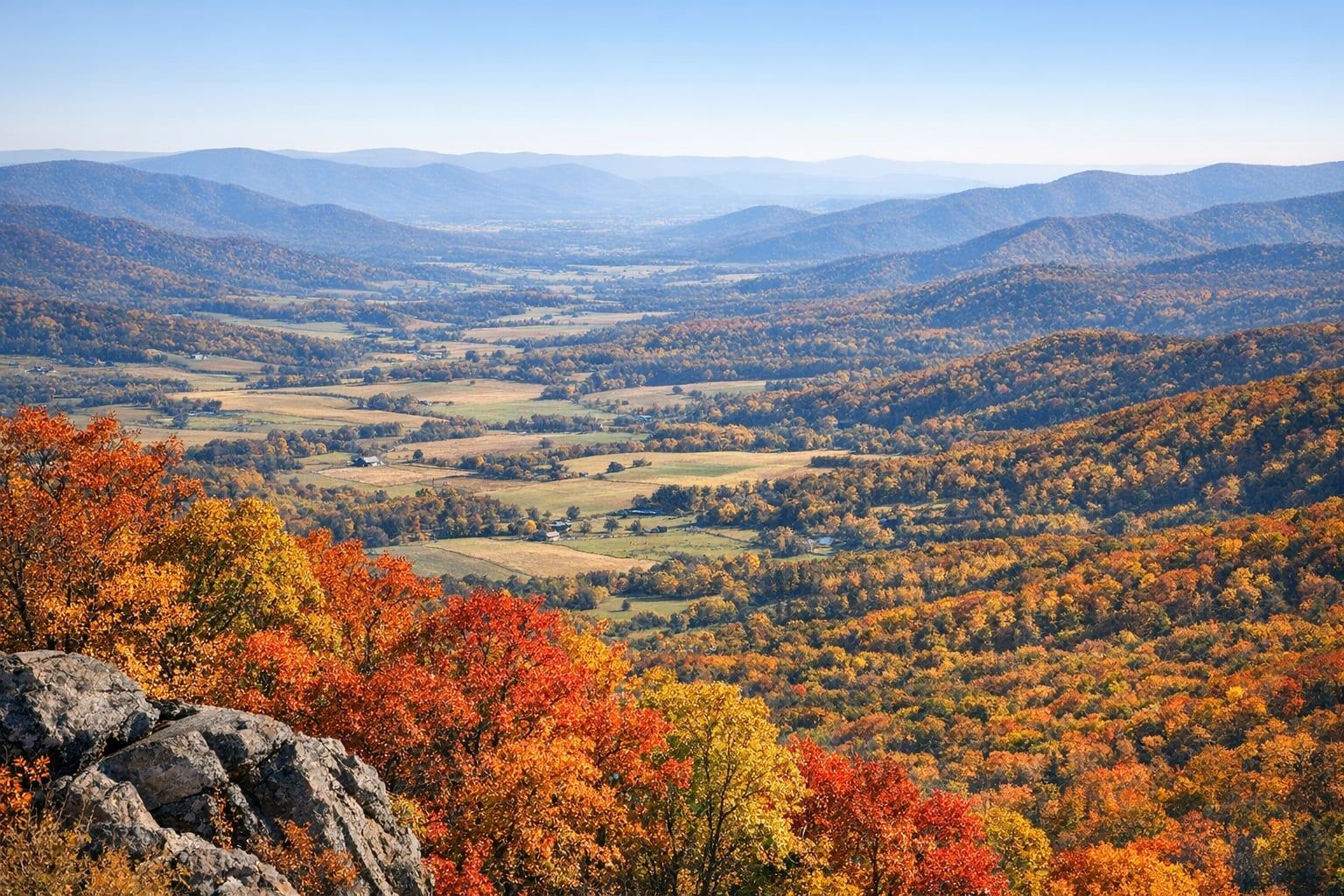
Skyline Drive's 105-mile route delivers overlooks you can access from campgrounds like Big Meadows (about 200 sites, seasonal), placing Hawksbill Mountain (4,050 ft) and major trailheads within easy reach. You’ll find RV pads that handle 30–45 foot rigs, paved pull-throughs, and generator-friendly loops. Hike Stony Man at dawn or drive a short distance to the Blue Ridge Parkway for milepost views and quieter, higher-elevation campsites.
Waterfront Access
On the coast and inland lakes you can back your rig into sites with direct water views—Smith Mountain Lake’s roughly 500 miles of shoreline and the Chesapeake Bay corridor offer boat ramps, fishing piers, and marinas, while Chincoteague/Assateague provide ocean beaches and wild ponies. You’ll find family-oriented RV parks at Virginia Beach and quieter estuary camps for paddling, birding, and late-afternoon sunsets.
Many waterfront campgrounds offer 30/50 amp hookups, concrete pads, kayak rentals, and fish-cleaning stations; plan to reserve 3–6 months ahead for peak summer weekends. Check tide tables and launch hours when boating, and factor in hurricane season (June–November) and seasonal insects when choosing sites. You’ll also want to compare marina fees and nearby fuel or grocery options to avoid long detours once you’re on the water.
Tips for RV Camping in Virginia
You should book hookups early, check length limits and verify 30/50‑amp service and sewer access before arrival; peak season (May–Sep) often sees weekends fill fast and typical nightly rates range $30–$75. Plan for generator hours and quiet rules, confirm cell coverage for work or emergencies, and carry a water pressure regulator and surge protector. Recognizing popular sites like First Landing and Shenandoah often require reservations months ahead will save you frustration.
- Reserve 3–6 months ahead for busy weekends; consider midweek to avoid crowds.
- Bring a surge protector, water pressure regulator, and a 20–30 ft sewer hose.
- Check campground max RV length — many limit rigs to 35–45 ft.
- Observe generator hours (commonly 8 AM–8 PM) and quiet hours (often 10 PM–7 AM).
- Verify 30/50‑amp hookups and have adapters if your rig requires them.
Planning Your Stay
Check-in/out times often run 2–3 PM/11 AM, so arrive in daylight to level and hook up your rig; pack leveling blocks and a 30/50‑amp adapter. Book 3–6 months ahead for popular weekends at First Landing or Shenandoah, and expect to pay $30–$75 per night depending on hookups and location. Consider longer stays (3–5 nights) to explore nearby trails, beaches or scenic drives without rushing.
Safety Considerations
Watch for ticks and mosquitoes—Lyme disease occurs in parts of Virginia—so treat clothing and inspect daily; western regions and Shenandoah report black bear activity, so store food in bear‑resistant containers or locked vehicles. Drive slowly on Blue Ridge and Skyline Drive sections with steep grades and tight turns, using low gear and engine braking to control speed.
Keep propane systems serviced and carry working CO and smoke detectors, plus a fire extinguisher rated for RV use. Secure wheel chocks, check tire pressure and lug torque before long climbs, and post your campground map noting the nearest ranger station and hospital; cell service can be spotty, so download offline maps and save emergency numbers locally.
RV Campground Reviews
You’ll find review patterns that separate the great from the merely good: look for consistent praise about level, pull-through sites, reliable 50-amp service, and staff responsiveness. Many top Virginia campgrounds maintain averages above 4.2 across Google, Campendium, and KOA listings; give extra weight to properties with 50+ recent reviews and multiple mentions of things you care about, like lake access, quiet nights, or full hookups.
Customer Experiences
Guests repeatedly note specifics you can act on: families praise concrete pads and playgrounds, remote workers mention campsite Wi‑Fi speed and shady spots, and anglers highlight quick boat-launch access. For example, reports from Claytor Lake visitors often emphasize calm mornings and reliable cell signal, while mountain camp reviews tend to call out steep entry roads and generator restrictions—details that decide whether a site fits your rig and routine.
Ratings and Recommendations
Use ratings as a triage tool: prioritize sites averaging 4.2+ with at least 50 reviews, but read the latest 20 comments for trends on maintenance and service. Pay attention when reviewers repeatedly cite specifics—poor drain fields, noisy neighbors, or excellent on-site stores—since those repeat notes predict your likely experience more than a single 5-star post.
When choosing, filter listings by importants: minimum site length (30–50 ft), 50‑amp availability, sewer hookup, and confirmed pull‑through spots. Also check operational rules—quiet hours, generator windows, and pet limits—and scan photos for pad slope and shade. Finally, call the park to verify current conditions and any recent upgrades that reviews might not yet reflect.
Summing up
So you can choose from top-rated RV campgrounds across Virginia that offer full hookups, spacious sites, scenic settings from the Blue Ridge to the Chesapeake, and well-maintained facilities. Whether you seek mountain trails, beach access, or family-friendly amenities, your needs will be met by knowledgeable staff and reliable services; plan for seasonal demand and book ahead to secure the site that fits your rig and travel style.
FAQ
Q: What are some top-rated RV-friendly campgrounds in Virginia and what makes them stand out?
A: Top options include Virginia Beach KOA Holiday (full hookups, pool, store, close to the boardwalk and family attractions); Kiptopeke State Park (ocean views, 50-amp sites, dump station, birding access on the Eastern Shore); Loft Mountain Campground in Shenandoah National Park (scenic mountain sites, large pull-throughs, immediate trail access—limited hookups); Natural Bridge KOA (full hookups, proximity to the Natural Bridge attraction and caverns); Chincoteague Island KOA Resort (access to wildlife refuge and boating, family-friendly amenities); Hungry Mother State Park (shaded lakeside RV loops, hookups, hiking and fishing). Each stands out for a combination of site size and configuration for rigs, reliable hookups, nearby outdoor activities, and clean guest facilities.
Q: What amenities and site features should I expect at top RV campgrounds in Virginia?
A: Expect a mix of full hookups (30/50 amp, water, sewer) at private parks and KOAs, and limited or no hookups at some state or national park sites. Common amenities: level gravel or paved pads, pull-through sites for large rigs, picnic tables and fire rings, dump stations, restrooms and hot showers, on-site laundry and Wi‑Fi at many private parks, camp stores, playgrounds, and dog-friendly areas. Across Virginia you’ll also find easy access to beaches, hiking trails, fishing, and historic sites. Cell coverage varies by region—mountain areas can be patchy, coastal and urban parks typically have strong signals.
Q: When is the best time to visit RV campgrounds in Virginia and how should I book peak-season sites?
A: Best windows depend on the region: late spring through early fall (May–September) for beaches and warm weather, and mid-September through October for peak fall foliage in the Shenandoah and Blue Ridge areas. Book as early as possible for summer weekends and prime fall weekends—state parks and popular KOAs often fill months in advance (many campers reserve 3–6 months ahead). Check campground maps for site lengths and hookup types before booking, confirm length limits and generator rules, and use official state park reservation sites or park/KOA booking systems for guaranteed reservations. For last-minute nights, call the park directly—cancellations and walk-up spots sometimes open up.