The Best Spots for Family Camping in Virginia’s Shenandoah Valley
The Best Spots for Family Camping in Virginia’s Shenandoah Valley
There's a range of family-focused campgrounds in the Shenandoah Valley where you can choose sites that match your family's needs—from riverside tent loops and roomy RV pads to cabin options—while enjoying on-site restrooms, playgrounds, guided ranger programs, and easy trail access; this guide helps you pick campgrounds that make planning, safety, and outdoor fun straightforward for your family getaway.
Types of Family Camping Spots
| Tent Sites | You get shaded, walk-in or drive-up sites with campfire rings and picnic tables at places like Loft Mountain and Shenandoah River State Park. |
| Backcountry / Primitive | You can hike to secluded spots along the Appalachian Trail or feeder trails; expect no services and great wildlife viewing for older kids. |
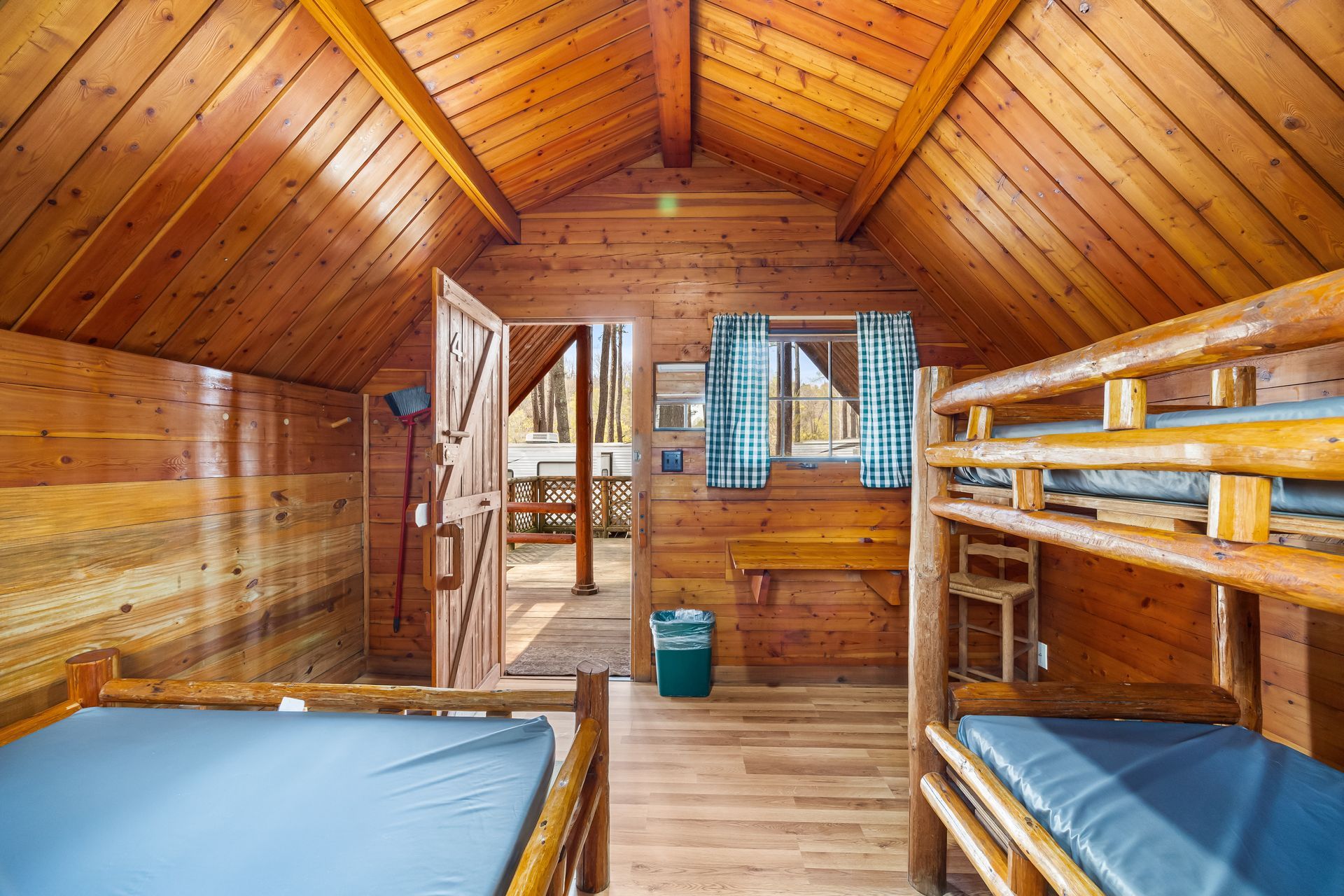
| Cabins & Cottages | You’ll find small staffed cabins at state parks and private campgrounds that provide beds, heat, and kitchens for simpler family stays. |
| Group Sites | You can reserve group loops near Big Meadows or park-managed group areas with large fire rings and space for gatherings. |
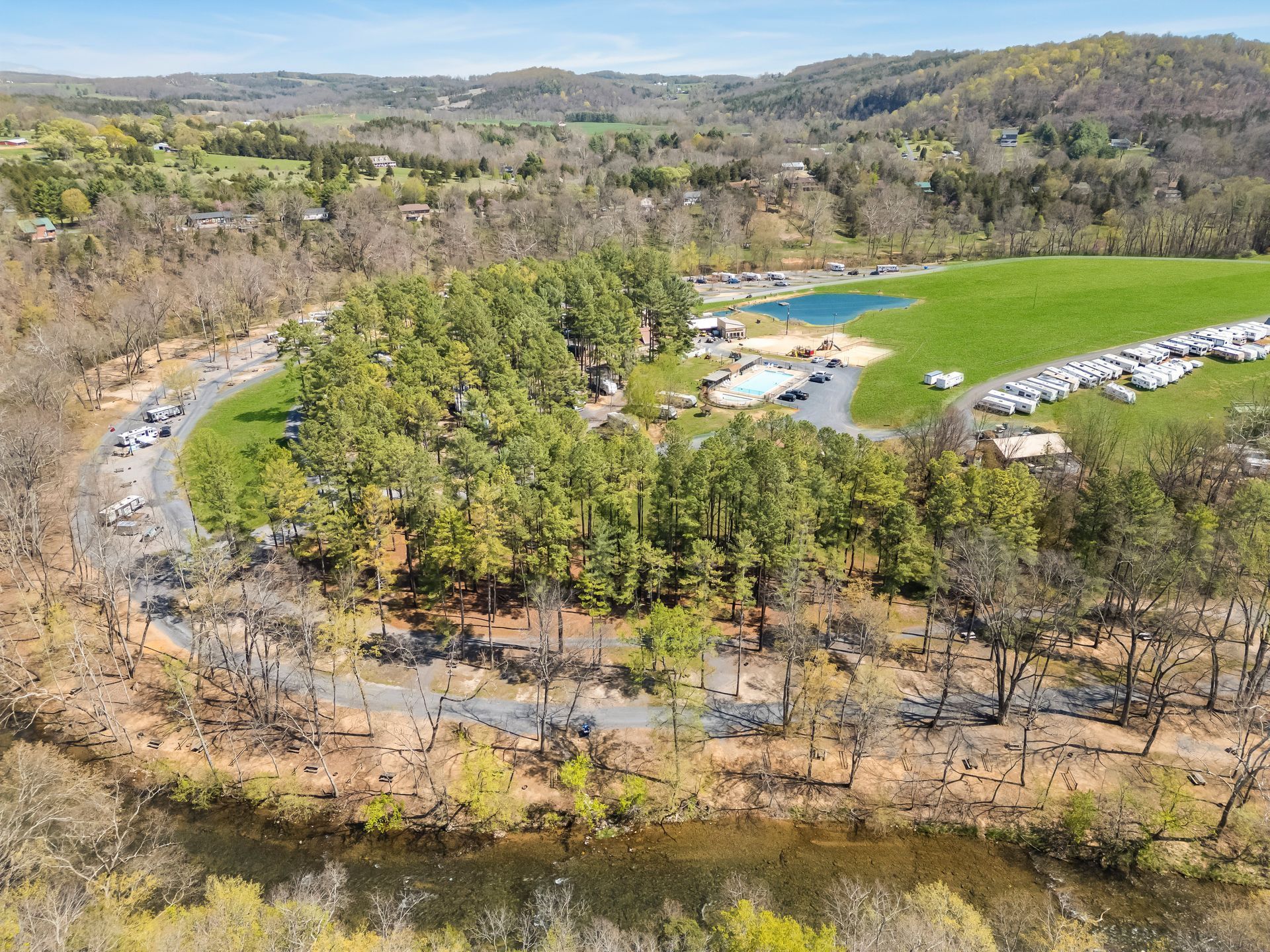
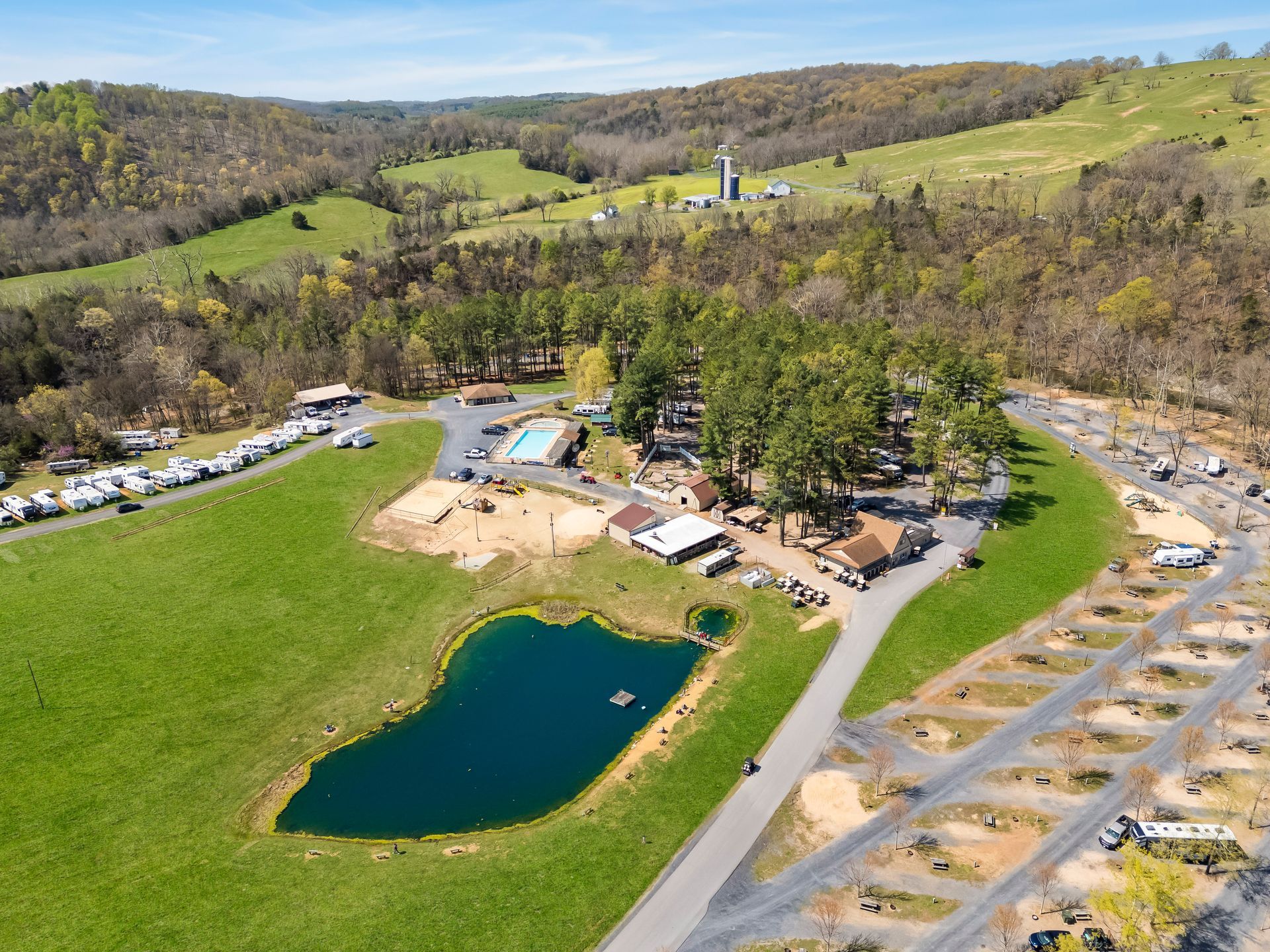
| RV Parks | You’ll have full hookups, level pull-throughs, laundry, and playgrounds at family-oriented RV parks like the Front Royal KOA. |
- Pick sites close to bathhouses and water spigots to simplify evening routines.
- Choose campgrounds with short interpretive trails and ranger programs to keep kids learning and moving.
- Prioritize shade, playgrounds, and nearby picnic shelters for midday breaks and family meals.
- Any site with a sheltered fire ring and loop trails will often be the easiest choice for younger children.
Campgrounds
You’ll find family-focused campgrounds across the valley—Big Meadows, Loft Mountain, Mathews Arm, and Shenandoah River State Park all offer flush toilets, potable water, picnic tables, and ranger-led activities; sites often fill 6–8 weeks before summer weekends, so you should reserve popular loops via Recreation.gov and pick a spot near a playground or short interpretive trail to keep kids engaged.
RV Parks
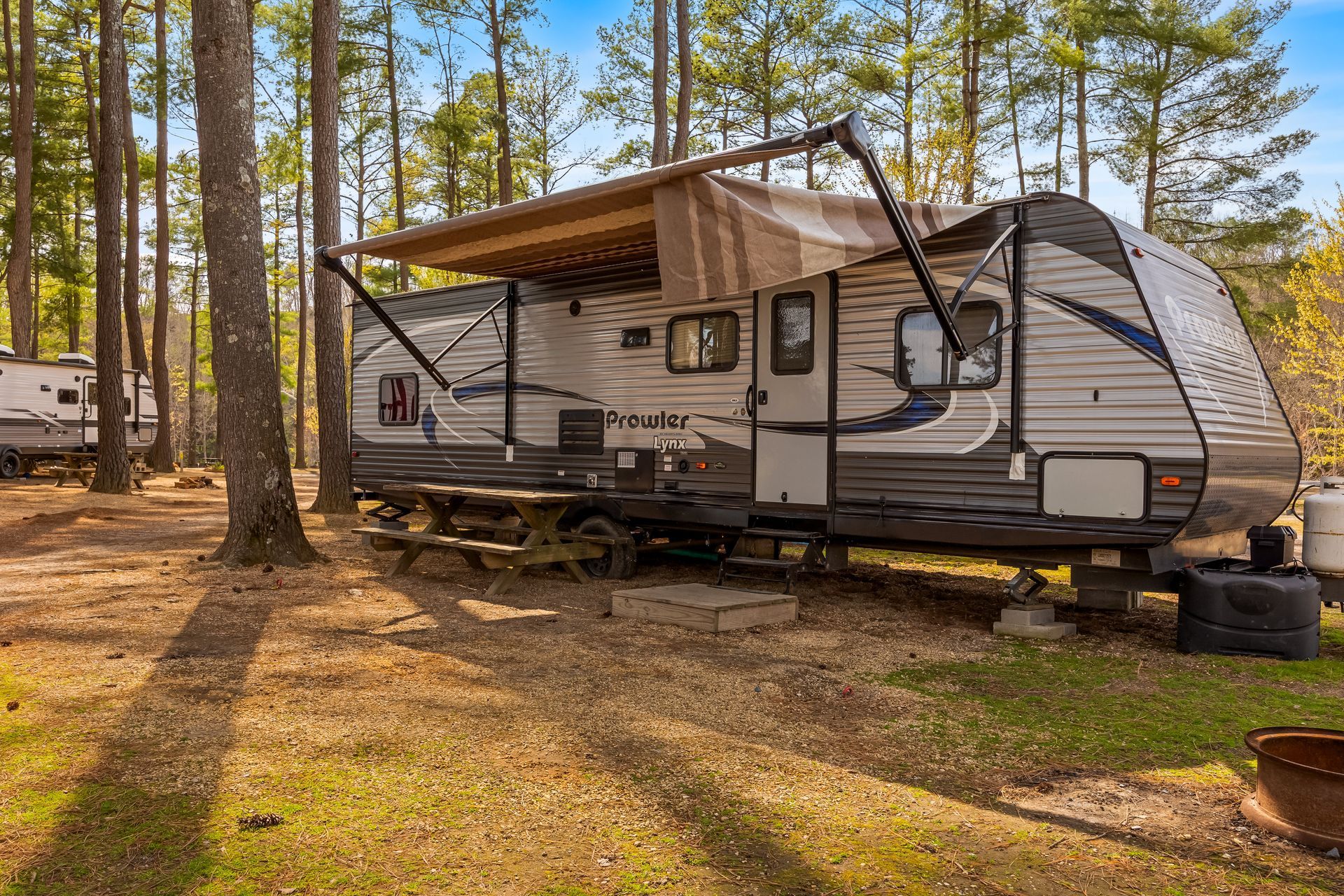
If you bring an RV, target parks that advertise full hookups (30/50 amp), level pull-through sites, reliable Wi‑Fi, and on-site laundry; Front Royal KOA and several privately run parks in the valley provide playgrounds, propane, and dump stations, making arrivals and departures smoother for families.
Plan ahead by checking each park’s maximum rig length and whether sites are paved or gravel; many family RV parks accommodate rigs up to about 60 feet, but you should confirm pad size, hookup type, and any seasonal road restrictions before you drive Skyline Drive or narrow backroads, and reserve a 50‑amp, level pull‑through if your rig needs easier maneuvering.
Tips for Choosing the Right Campsite
- Choose sites within 50–200 yards of restrooms and potable water if you have toddlers or frequent bathroom trips at night.
- Look for level, well-drained tent pads at least 10–12 feet square and shaded areas to cut midday heat while avoiding trees with dead limbs.
- Pick RV sites with 30/50-amp hookups and back-in spots sized for your rig—many Shenandoah-area campgrounds list RV length limits online.
- Any family with little ones or mobility needs should prioritize sites near ranger stations, playgrounds, and trailheads to minimize uphill walks and maximize supervision.
Assessing Family Needs
Count your children’s ages and factor in nap schedules, stroller access, and gear volume; a 6-person tent requires roughly a 10x10–12x12 footprint plus room for gear. Plan hookups if you need electricity for medical devices or a cooler, and check campsite descriptions for picnic shelters, nearby playgrounds, or ranger programs that keep kids engaged.
Location Considerations
Choose sites at least 200 feet from streams to reduce bugs and flood risk, and avoid low-lying hollows that collect cold air or runoff. Balance proximity to parking (under 100 yards is convenient) against noise from roads and common areas; a short uphill walk can buy quieter evenings and better views.
Expect microclimate shifts with elevation—roughly 3–4°F cooler per 1,000 feet—so higher sites offer relief in summer but colder nights; check cell coverage maps if you need service, scout wind exposure for tent stability, and favor morning sun on your site to dry dew and gear quickly.
Step-by-Step Guide to Planning Your Trip
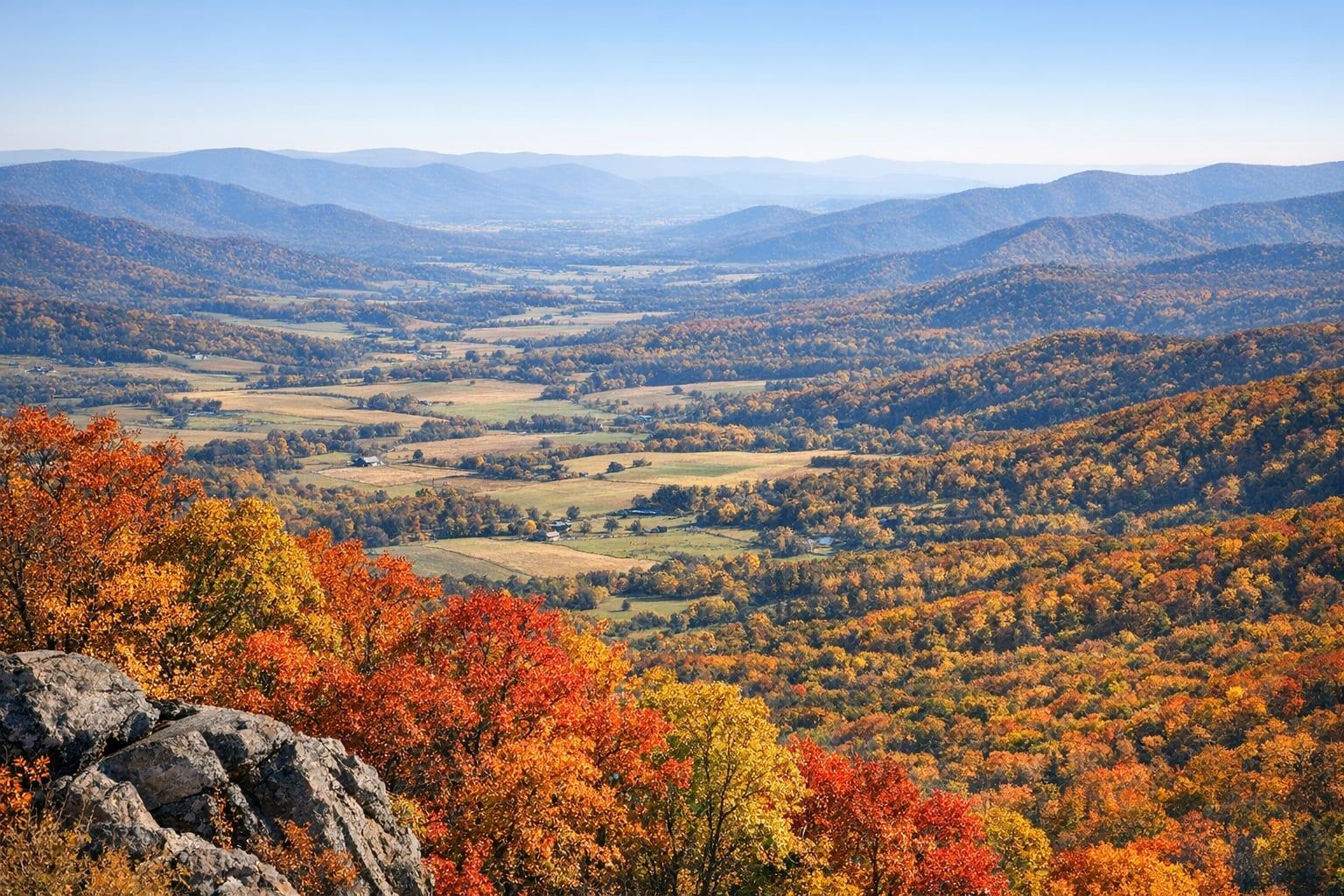
Pick dates in spring (April–June) or fall (September–October) for cooler days and colorful foliage; book popular campgrounds like Big Meadows or Loft Mountain up to 6 months ahead for holiday weekends; map 2–3 family-friendly hikes under 3 miles, reserve any ranger programs, and plan one zero-activity afternoon at the site for games and rest.
Quick Planning Checklist| Choose dates | Select spring/fall weekends (April–June, Sept–Oct) to avoid summer crowds and heat. |
| Reserve site | Book via recreation.gov or ReserveAmerica up to 6 months ahead for peak weekends. |
| Plan activities | Pick 2–3 short hikes (≤3 miles), one ranger talk, and on-site play for kids. |
| Check amenities | Confirm hookups, flush toilets, showers, playgrounds, and pet policies per campground. |
| Safety & regs | Buy local firewood, note bear food-storage rules, and check cell coverage gaps. |
Preparing for Camp
Verify campsite check-in windows (many are 2–4 PM), print or download your reservation, and confirm on-site facilities like potable water, toilets, and playgrounds; check park bulletins for trail closures, ranger schedules, and any seasonal advisories such as tick alerts or fire restrictions so you can adjust plans before you leave.
Packing Essentials
Bring a three-season tent sized for your family, sleeping bags rated 20–30°F, sleeping pads, headlamps (one per person), a camp stove with fuel, a 20,000 mAh power bank, and a first-aid kit; pack insect repellent (DEET 20–30%), SPF 30+ sunscreen, and at least 2–3 liters of water per person per day or a reliable filter.
For a weekend with a family of four, plan 8–12 liters of carry water or map refill points and bring a Sawyer Mini or Katadyn filter for creek access; choose a tent with a vestibule for muddy boots and a footprint to protect the floor. Pack spare batteries, duct tape, and kid-friendly extras like marshmallow skewers and a compact card game. If you plan fires, buy certified local firewood and keep food in a bear-proof locker or vehicle as required by the campground.
Factors to Consider When Camping with Family
Choose campgrounds with level tent pads, potable water, flush toilets and nearby ranger stations so you can set up fast and keep routines steady for kids. Favor sites with shaded picnic areas, short walks to trails and safe fire rings; drive times under two hours often reduce fuss from younger children. The ability to reserve a specific site and confirm shower and restroom availability prevents last‑minute scrambling.
- Accessibility: paved roads, pull‑through sites, short walk from parking
- Activities: ranger programs, kid loops, swimming, canoe rentals
- Amenities: showers, potable water, playgrounds, picnic shelters
- Safety: wildlife notices, visible campsite boundaries, nearby ranger station
- Proximity: distance to grocery, medical services, and trailheads
- Reservation policy: site holds, family loops, group site options
Accessibility
Pick campgrounds with paved access roads, pull‑through RV sites and level tent pads so you avoid tight turns and long hauls carrying gear. Seek sites within about 0.5 miles of parking if you have strollers or toddlers, ADA restrooms and campsite numbers clearly marked; these details cut setup time and keep your day flowing.
Activities Available
Look for campgrounds that offer a mix of short, family‑friendly hikes (under 2 miles), supervised swimming areas or river access, evening ranger talks and on‑site playgrounds so you can fill days without long drives. You’ll appreciate places that list weekly schedules and equipment rentals like kayaks or bikes.
Shenandoah National Park locations such as Big Meadows and Loft Mountain run Junior Ranger programs and guided walks in summer, while Shenandoah River State Park offers kayak and canoe rentals and reliable fishing for smallmouth bass. Many county parks host evening campfire programs and nature crafts—check park calendars for May–September offerings and book slots for popular activities in advance so your family doesn’t miss out.
Pros and Cons of Popular Campground Options
Pros and Cons| Established Campgrounds: potable water, flush toilets, playgrounds, ranger programs along Skyline Drive (105 miles), easy walk-to-sites for kids. | Established Campgrounds: can get crowded on summer weekends, reservation-needed at peak times, less privacy near sites. |
| Wilderness Camping: true solitude, access to trails like Old Rag (9-mile loop), immersive nature experiences and wildlife viewing. | Wilderness Camping: requires longer hikes, you must carry water/gear and follow backcountry permit rules; fewer facilities. |
| RV Parks: full hookups, showers, easy for families with infants or pets, often on-site playgrounds and Wi‑Fi. | RV Parks: limited tent camping atmosphere, noisy generators at times, larger footprint and higher nightly rates. |
| State Park Campgrounds: structured programs, marked trails, boat rentals at some parks, solid cell coverage in many areas. | State Park Campgrounds: rules can be stricter, some sites are close together, peak-season reservations fill fast. |
| Private Family Resorts: on-site activities (pool, play areas), cabin options, staff-run kids’ programs. | Private Family Resorts: pricier, more commercial vibe, fewer chances for rugged backcountry adventure. |
| Primitive Backcountry Sites: low-impact experience, great for teaching kids map/navigation, often quieter at night. | Primitive Backcountry Sites: limited emergency access, you need bear-safe food storage and good navigation skills. |
Established Campgrounds
You’ll find established campgrounds along Skyline Drive and nearby state parks offering potable water, flush toilets, and family-friendly loops; many sites are within a short walk to picnic areas and ranger programs that entertain kids. Expect easier set-up with level pads and designated fire rings, and plan reservations for summer weekends since sites fill quickly, especially at campgrounds near popular viewpoints and trailheads.
Wilderness Camping
You can get out of the crowds by hiking to backcountry sites—Old Rag’s 9-mile scramble is a classic day-hike, while overnight routes take you farther into quiet ridgelines; carry water filters and practice leave-no-trace. Permits or registrations are often required for backcountry stays, and spacing between designated sites means longer daypacks and careful route planning with kids.
Longer wilderness trips demand more logistics: you’ll pack 2–3 liters per person for summer day-hikes and plan camps 6–10 miles apart on multi-day routes to suit family pace. Teach children simple navigation and campsite etiquette before you go, bring a lightweight stove for quick meals, and scout water sources on official maps. Park rangers can advise on current trail conditions and required permits, so check trail closures and weather forecasts before committing to an overnight backcountry itinerary.
Safety Tips for Family Camping
Check the campground's potable water, flush toilets, and ranger programs before you arrive; many Shenandoah Valley sites also provide bear-proof food lockers. Lock your food and scented items in lockers or an airtight container; keep campfires in designated rings and fully douse with water. Bring headlamps, spare batteries, and trail maps—cell signal along Skyline Drive is patchy. After registering at the ranger station, note emergency numbers and nearest trailheads.
- Secure your food and coolers in provided bear-proof lockers
- Keep campfires small, use designated rings, and never leave flames unattended
- Carry headlamps and a paper map—GPS can fail in the valley's hollows
- Set clear boundaries for kids and schedule check-in times on hikes
- Know the ranger station hours and nearest clinic phone numbers
First Aid Preparedness
Pack a waterproof first-aid kit with adhesive bandages, sterile gauze, tweezers, antiseptic wipes, antihistamine, ibuprofen, blister pads, and a tick remover. Include an epinephrine auto-injector if anyone has severe allergies, and have at least one adult trained in CPR. Store medications in a labeled dry bag and keep a written list of prescriptions. If you plan remote hikes, bring a satellite messenger or personal locator beacon since cell coverage is unreliable in parts of the valley.
Wildlife Awareness
Black bears, white-tailed deer, wild turkeys, and occasional rattlesnakes frequent the area—never feed animals and maintain distance. Secure food in campground lockers or a locked vehicle overnight, and keep dogs leashed to prevent confrontations and protect local wildlife. Teach children to make noise on trails to avoid surprising animals and report any aggressive behavior to park staff or the ranger station immediately.
Most bear encounters occur at dawn and dusk; if you spot a bear, back away slowly while speaking calmly and avoid direct eye contact. Carry bear spray rated for a 20–30 ft range and practice deploying it before your trip, storing it where you can reach it quickly. For snakes, step on rocks or logs rather than over them, wear boots and long pants on trails, and use a flashlight at night; if bitten, keep the victim calm, immobilize the limb, and seek emergency medical care right away.
To wrap up
Hence you can choose from riverfront sites, wooded loops, and RV-friendly lots across Shenandoah Valley that balance scenic hiking, safe play areas, and family-oriented amenities; plan your days around ranger programs, picnic shelters, and reliable facilities so your kids stay engaged while you relax, and book popular campgrounds in advance to secure the best sites for your family’s comfort and outdoor adventure.